Artful, the third of the Astute class of nuclear attack submarines, has been launched and is expected to be commissioned in 2015. The previous two submarines, Astute and Ambush, were commissioned in 2010 and 2013 respectively.
The Royal Navy will have a total of seven Astute class submarines. The remaining four, Audacious, Anson, Agamemnon and Ajax, are expected to be commissioned between 2018 and 2024.
The Astute class submarines will join the Trafalgar class submarines, seven of which were commissioned between 1983 and 1991. Of these two have already been decommissioned, with one more expected this year in 2014.
Showing posts with label UK. Show all posts
Showing posts with label UK. Show all posts
Saturday, May 31, 2014

Wednesday, October 16, 2013
UK Orders 200 Starstreak Surface-to-Air Missiles
The United Kingdom has ordered 200 Starstreak Surface-to-Air Missiles from Thales for Very Short-Range Air Defense (VSHORAD). They are to be delivered in 2014 to increase existing stocks.
The Starstreak High Velocity Missile stands out by taking a different design approach compared to other contemporary missiles by among others utilizing semi-automatic line-of-sight laser beam riding.
It is very different from designs developed by other countries such as the United States, Russia and China. Notable differences include:
The Starstreak High Velocity Missile stands out by taking a different design approach compared to other contemporary missiles by among others utilizing semi-automatic line-of-sight laser beam riding.
It is very different from designs developed by other countries such as the United States, Russia and China. Notable differences include:
- With a maximum speed of Mach 3.5, the Starstreak is almost twice as fast as its competitors which usually travel below Mach 2.
- Starstreak missiles are laser-beam riders, unlike others that often rely on a infrared seeker for guidance.
- The Starstreak uses submunitions with three darts, unlike other missiles with unitary warheads.
Friday, September 13, 2013
Sea Ceptor / CAMM(M) Missile Launched From MK41 VLS and Awarded Contract by UK
The United Kingdom has awarded a 250 million pound or roughly $393 million contract for the manufacture of Sea Ceptor missiles, which are the maritime component of the Common Anti-Air Modular Missile (CAMM) consisting of:
The Sea Ceptor manufactured by MBDA will first enter service with the Type 23 frigate replacing the Sea Wolf missile and later on the Type 26 Global Combat Ship when they replace the Type 23 ships currently in service after 2020.
In the Army, it could be used as a vertically launched surface-to-air missile system, where it will replace the short-range Rapier system. In the Air Force, it could replace the current ASRAAM air-to-air missile.
- CAMM(A): Air component
- CAMM(L): Land component
- CAMM(M): Maritime component
The Sea Ceptor manufactured by MBDA will first enter service with the Type 23 frigate replacing the Sea Wolf missile and later on the Type 26 Global Combat Ship when they replace the Type 23 ships currently in service after 2020.
In the Army, it could be used as a vertically launched surface-to-air missile system, where it will replace the short-range Rapier system. In the Air Force, it could replace the current ASRAAM air-to-air missile.
Monday, May 20, 2013
MBDA Missiles To Be Integrated With MK41 Vertical Launch System
MBDA and Lockheed Martin have signed a Memorandum of Understanding that seeks to integrate European missiles with the American MK41 Vertical Launch System.
Up to now, both the MK41 and its European counterpart, the Systeme de Lancement Vertical (SYLVER) system, were only compatible with essentially American and European missiles respectively.
This despite the fact that both systems are very similar in principle. Both are hot-launched and share a common central exhaust. Both also come in various lengths for ships of different displacements.
This clear division meant that once a ship was fitted with the MK41 VLS, it is unable to use any MBDA missiles and vice versa. It is either American or European and not both at the same time. This is not an ideal situation.
The UK's Type 45 destroyer is equipped with SYLVER and can't use the Standard series of surface-to-air missiles or Tomahawk cruise missiles. At one point, there were suggestions that it would be better to equip the Type 45 with the MK41.
The attempts to try to fuze American and European systems is therefore a welcome development. It should help better utilize the respective strengths of both sides.
It may help break other barriers, such as integration of SYLVER with American missiles. That will mean that both MK41 and SYLVER users will be able to select the type of missiles that best fit their needs.
The first missile to be integrated will be the naval variant of the Common Anti-Air Modular Missile Maritime (CAMM-M) or Sea Ceptor, which will be demonstrated with a test launch later in 2013.
The CAMM series of missiles are derived from the ASRAAM air-to-air missiles. Other MBDA missiles from MBDA are the Aster 15, Aster 30, Aster NT and Scalp Naval.
http://www.mbda-systems.com/mediagallery/#/news/3056
Up to now, both the MK41 and its European counterpart, the Systeme de Lancement Vertical (SYLVER) system, were only compatible with essentially American and European missiles respectively.
This despite the fact that both systems are very similar in principle. Both are hot-launched and share a common central exhaust. Both also come in various lengths for ships of different displacements.
This clear division meant that once a ship was fitted with the MK41 VLS, it is unable to use any MBDA missiles and vice versa. It is either American or European and not both at the same time. This is not an ideal situation.
The UK's Type 45 destroyer is equipped with SYLVER and can't use the Standard series of surface-to-air missiles or Tomahawk cruise missiles. At one point, there were suggestions that it would be better to equip the Type 45 with the MK41.
The attempts to try to fuze American and European systems is therefore a welcome development. It should help better utilize the respective strengths of both sides.
It may help break other barriers, such as integration of SYLVER with American missiles. That will mean that both MK41 and SYLVER users will be able to select the type of missiles that best fit their needs.
The first missile to be integrated will be the naval variant of the Common Anti-Air Modular Missile Maritime (CAMM-M) or Sea Ceptor, which will be demonstrated with a test launch later in 2013.
The CAMM series of missiles are derived from the ASRAAM air-to-air missiles. Other MBDA missiles from MBDA are the Aster 15, Aster 30, Aster NT and Scalp Naval.
http://www.mbda-systems.com/mediagallery/#/news/3056
Monday, April 22, 2013
UK to buy 500 AGM-114 Hellfire missiles
The Defense Security Cooperation Agency (DSCA) has notified the United States Congress as required of a possible Foreign Military Sale (FMS) to the United Kingdom of 500 AGM-114 Hellfire missiles.
Already in service in the UK, the purchase would replenish Hellfire stocks that have been depleted during recent conflicts. If the contract is signed, the value is estimated at about $95 million.
Two versions of the precision-guided, air-to-surface Hellfire are to be acquired:
The United Kingdom has recently also replenished its stocks of Brimstone missiles, which are somewhat similar to the Hellfire missiles. That contract was worth about $22 million.
The Brimstone was originally developed on the basis of the Hellfire missiles and they share the basic missile body. However, the Brimstone internals have been developed from the ground up.
It was intended as a followup and an improved version of the Hellfire missile. The addition of the MMW radar would make the Brimstone far more accurate and a true fire-and-forget missile with much less collateral damage.
However, the later versions of the Hellfire have also incorporated the MMW radar. The Hellfire may eventually be replaced by the Joint Air-to-Ground Missile (JAGM) currently in development.
http://www.dsca.mil/pressreleases/36-b/2013/UK_13-16.pdf

Already in service in the UK, the purchase would replenish Hellfire stocks that have been depleted during recent conflicts. If the contract is signed, the value is estimated at about $95 million.
Two versions of the precision-guided, air-to-surface Hellfire are to be acquired:
- The AGM-114-N4 Hellfire for the UK's AH-64D Apache attack helicopters
- The AGM-114-P4 Hellfire for the UK's MQ-9 Reaper Unmanned Aerial Vehicle
The United Kingdom has recently also replenished its stocks of Brimstone missiles, which are somewhat similar to the Hellfire missiles. That contract was worth about $22 million.
The Brimstone was originally developed on the basis of the Hellfire missiles and they share the basic missile body. However, the Brimstone internals have been developed from the ground up.
It was intended as a followup and an improved version of the Hellfire missile. The addition of the MMW radar would make the Brimstone far more accurate and a true fire-and-forget missile with much less collateral damage.
However, the later versions of the Hellfire have also incorporated the MMW radar. The Hellfire may eventually be replaced by the Joint Air-to-Ground Missile (JAGM) currently in development.
http://www.dsca.mil/pressreleases/36-b/2013/UK_13-16.pdf

Saturday, April 6, 2013
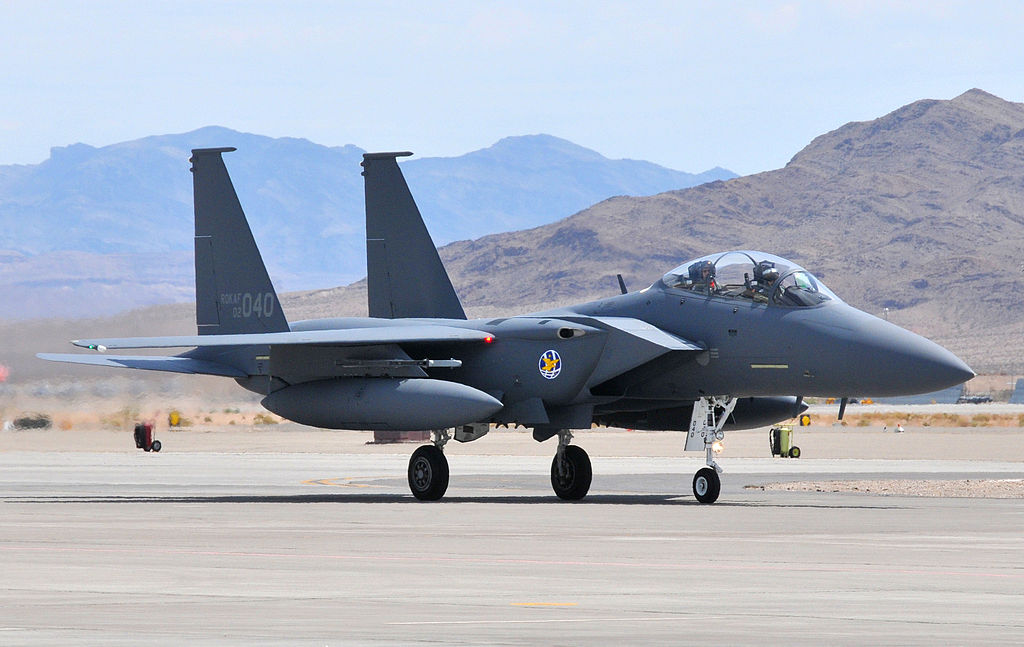
South Korea to Buy 60 Fighter Jets in June 2013
South Korea will decide in June 2013 who the winning bidder is of the competition to provide 60 new fighter aircraft. Currently, negotiotions are still ongoing regarding pricing.
South Korea plans to acquire 60 fighter jets from one of 3 candidates, who have been competing since 2010 for the contract:
The Eurofighter Typhoon is the most mature platform of the 3 competitors. While its air-to-air capability is fairly well developed, its air-to-ground capability does remain significantly behind.
The Eurofighter Typhoon is in service in a number of countries already and has won recent contracts in Oman. It may also win in other countries such as the United Arab Emirates.
Both the F-35 and F-15SE are not ready at this point and still have a lot of testing and development ahead of them. The F-35 is probably the most advanced on paper and a true fifth generation fighter.
However, the F-35 has encountered lots of problems recently. A number of countries have reduced or cancelled some orders and the cost of the aircraft is rapidly escalating.
The F-15SE has the advantage in that it is the next iteration of the F-15, which is already in service in South Korea after placing orders for 61 F-15K aircraft. The F-15K is a variant of the F-15E Strike Eagle modified for South Korea.
The F-15SE improves on its predecessors by reducing its Radar Cross Section. It offers some fifth generation features such as internal weapons carriage. However, if South Korea orders it, it will be the only operator of the aircraft.
South Korea does have the tendency to favor American companies in arms purchases for strategic reasons. Increased tensions with North Korea recently can only increase emphasis on interoperability with American equipment.
However, American companies do sometimes lose in South Korea. This was proven again when the European AW159 was surprisingly selected over the American Seahawk helicopter.
There is currently no clear favorite to win the competition. All three parties are still jockeying for position. EADS just recently offered South Korea local production of 48 Typhoons instead of the earlier offer of 30.
As the date of the final decision comes closer, candidates may decide to sweeten their offer in the hopes of securing the win. Whatever the outcome, it's likely to be only decided at the last moment.
http://english.yonhapnews.co.kr/news/2013/04/03/0200000000AEN20130403004700315.HTML

South Korea plans to acquire 60 fighter jets from one of 3 candidates, who have been competing since 2010 for the contract:
- the American F-35
- the American F-15 Silent Eagle
- the European Eurofighter Typhoon
The Eurofighter Typhoon is the most mature platform of the 3 competitors. While its air-to-air capability is fairly well developed, its air-to-ground capability does remain significantly behind.
The Eurofighter Typhoon is in service in a number of countries already and has won recent contracts in Oman. It may also win in other countries such as the United Arab Emirates.
Both the F-35 and F-15SE are not ready at this point and still have a lot of testing and development ahead of them. The F-35 is probably the most advanced on paper and a true fifth generation fighter.
However, the F-35 has encountered lots of problems recently. A number of countries have reduced or cancelled some orders and the cost of the aircraft is rapidly escalating.
The F-15SE has the advantage in that it is the next iteration of the F-15, which is already in service in South Korea after placing orders for 61 F-15K aircraft. The F-15K is a variant of the F-15E Strike Eagle modified for South Korea.
The F-15SE improves on its predecessors by reducing its Radar Cross Section. It offers some fifth generation features such as internal weapons carriage. However, if South Korea orders it, it will be the only operator of the aircraft.
South Korea does have the tendency to favor American companies in arms purchases for strategic reasons. Increased tensions with North Korea recently can only increase emphasis on interoperability with American equipment.
However, American companies do sometimes lose in South Korea. This was proven again when the European AW159 was surprisingly selected over the American Seahawk helicopter.
There is currently no clear favorite to win the competition. All three parties are still jockeying for position. EADS just recently offered South Korea local production of 48 Typhoons instead of the earlier offer of 30.
As the date of the final decision comes closer, candidates may decide to sweeten their offer in the hopes of securing the win. Whatever the outcome, it's likely to be only decided at the last moment.
http://english.yonhapnews.co.kr/news/2013/04/03/0200000000AEN20130403004700315.HTML
Friday, March 29, 2013
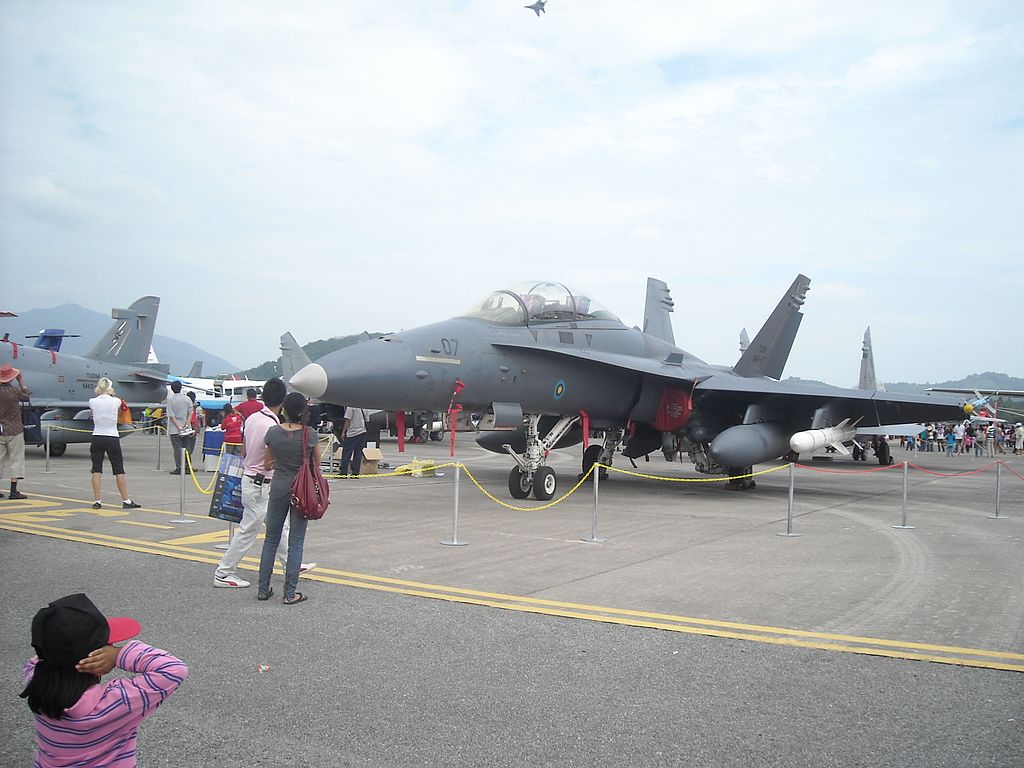
Malaysia Wants to Buy 18 Fighter Aircraft by 2015
Malaysia is looking to buy 18 new fighter aircraft by 2015 to replace the Mikoyan MiG-29 aircraft it currently has in service. It has short listed the following 5 candidates:
The exact cost of the contract for the new fighter aircraft has yet to be determined, but is certain to run into the billions. The competition for the contract is expected to be intense with extensive lobbying for the contract by manufacturers.
Some of the competitors, such as Sweden and France, are in dire need of an export contract. Winning the contract would greatly help the Gripen E/F and Rafale program with the addition of a second buyer.
Despite having been selected as the winner of India's MMRCA competition, France has yet to score an export contract for the Rafale. Sweden has recently ordered the Gripen E/F, but Switzerland has yet to decide on a proposal for 22 Gripen E/F.
Malaysia now has a fighter aircraft fleet of 18 Su-30MKM, 8 F/A-18D and 18 MiG-29N, of which only 10 are operational. All of the MiG-29N aircraft are to be retired by 2014.
The MiG-29N and F/A-18 had been ordered at the same time in 1993 in a split order. They were delivered in 1995 and 1997 respectively. The MiG-29N reportedly proved less than satisfactorily in service.
The MiG Corporation own internal problems starting in the nineties meant that is was unable to provide adequate after sales service and the aircraft suffered from a chronic lack of spares.
In 2003, Malaysia ordered the 18 Su-30MKM in a $900 million contract with Russia. The Su-30MKM is similar to India's Su-30MKI with some changes in avionics. It has canards and thrust-vectoring engines.
http://www.reuters.com/article/2013/03/28/malaysia-fighters-idUSL3N0CK7WW20130328


- the Russian Su-30 from Sukhoi
- the Swedish Jas-39 Gripen from Saab
- the American F/A-18E/F Super Hornet from Boeing
- the French Rafale from Dassault
- the European Eurofighter Typhoon from EADS, BAE and Alenia Aeronautica
The exact cost of the contract for the new fighter aircraft has yet to be determined, but is certain to run into the billions. The competition for the contract is expected to be intense with extensive lobbying for the contract by manufacturers.
Some of the competitors, such as Sweden and France, are in dire need of an export contract. Winning the contract would greatly help the Gripen E/F and Rafale program with the addition of a second buyer.
Despite having been selected as the winner of India's MMRCA competition, France has yet to score an export contract for the Rafale. Sweden has recently ordered the Gripen E/F, but Switzerland has yet to decide on a proposal for 22 Gripen E/F.
Malaysia now has a fighter aircraft fleet of 18 Su-30MKM, 8 F/A-18D and 18 MiG-29N, of which only 10 are operational. All of the MiG-29N aircraft are to be retired by 2014.
The MiG-29N and F/A-18 had been ordered at the same time in 1993 in a split order. They were delivered in 1995 and 1997 respectively. The MiG-29N reportedly proved less than satisfactorily in service.
The MiG Corporation own internal problems starting in the nineties meant that is was unable to provide adequate after sales service and the aircraft suffered from a chronic lack of spares.
In 2003, Malaysia ordered the 18 Su-30MKM in a $900 million contract with Russia. The Su-30MKM is similar to India's Su-30MKI with some changes in avionics. It has canards and thrust-vectoring engines.
http://www.reuters.com/article/2013/03/28/malaysia-fighters-idUSL3N0CK7WW20130328

Monday, March 18, 2013
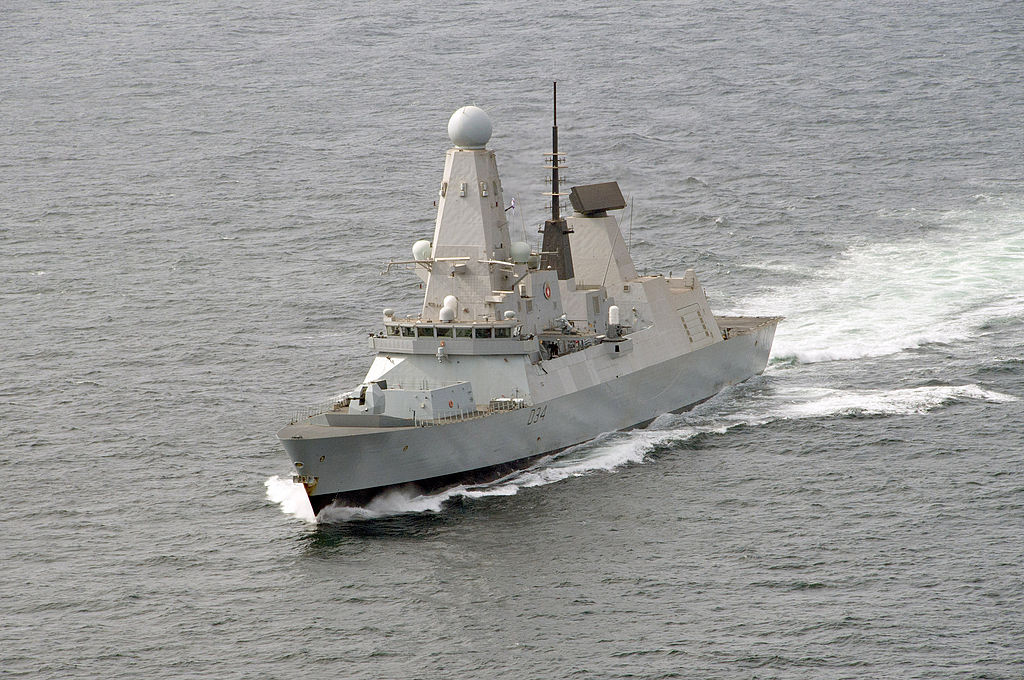
Type 45 Destroyer May Incorporate Ballistic Missile Defense
The Ministry of Defense from the United Kingdom is looking into the potential of the Type 45 destroyer for ballistic missile defense. For the first time, a Type 45 destroyer will be included in a trial as part of a major research and development program.
The Samson radar, which is part of the Sea Viper missile system, will be tested in detecting and tracking ballistic missile targets. The trial will be conducted in cooperation with the United States Navy and the Missile Defense Agency.
The Royal Navy currently has 4 Type 45 / Daring class destroyers with another 2 to be commissioned later this year. They are:
https://www.gov.uk/government/news/royal-navy-destroyer-to-join-ballistic-defence-trial


The Samson radar, which is part of the Sea Viper missile system, will be tested in detecting and tracking ballistic missile targets. The trial will be conducted in cooperation with the United States Navy and the Missile Defense Agency.
The Royal Navy currently has 4 Type 45 / Daring class destroyers with another 2 to be commissioned later this year. They are:
- HMS Daring (D32) commissioned on 7/23/2009
- HMS Dauntless (D33) commissioned on 6/3/2010
- HMS Diamond (D34) commissioned on 5/6/2011
- HMS Dragon (D35) commissioned on 4/20/2012
- HMS Defender (D36)
- HMS Duncan (D37)
- a length of 152 m
- a beam of 21.2 m
- a complement of 190
- a maximum range of 13000km
- a displacement of 8000 tons
- one 4.5 inch Mk8 main gun
- 6x8 Sylver A50 VLS with Aster 15 or Aster 30 surface-to-air missiles
- two 6-barrel 20 mm Phalanx Close-In Weapon Systems
- two 30 mm guns
https://www.gov.uk/government/news/royal-navy-destroyer-to-join-ballistic-defence-trial

Friday, March 1, 2013
Indonesia received another 2 Su-30MK2 from Russia
Another 2 dual-seat Su-30MK2 fighter aircraft arrived at the Sultan Hasanuddin Air Force Base in Makassar, Indonesia from Russia in an An-124-100 Ruslan transporrt aircraft.
The aircraft are the first out of a total order of 6 with the remaining 4 aircraft arriving in June and July this year. They will be assembled over the next 2 weeks by technicians from Komsomolsk-na Amure Aircraft Production Association (KNAAPO).
The engines are delivered separately, as are the weapons, which Indonesia has to purchase in a separate order due to budget contraints.
The addition of another 2 Su-30MK2 brings the number of Su-30MK2 in the Indonesian Air Force (TNI AU) to 6. There are 6 Su-27SMK single-seat fighter aircraft in service since 2003 to bring the total number of Flankers currently in service to 12.
Indonesia is currently undergoing a comprehensive modernization of its armed forces with the addition of new vessels, aircraft and missiles from a wide variety of countries all over the world.
For example, the TNI AU is expecting the delivery of 24 used F-16 C/D Block 25 from the United States, which will have to be modernized at Indonesia's expense. The existing 10 F-16 A/B Block 15 OCU in service will also be upgraded.
Last September, the Rockwell OV-10 Bronco were replaced in the TNI AU by the first 4 EMB-314 Super Tucano ground attack turboprop aircraft out of a total of 16 ordered from Brazil's Embraer.
Also on order are the T-50 Golden Eagle lead-in fighter trainer (LIFT) aircraft from the Korean Aerospace Industry, to replace the BAE Hawk Mk from the United Kingdom.
Indonesia is expecting 4 used C-130H Hercules transport aircraft from Australia and intends to order 6 new C-130 aircraft from the United States. Two out of 9 Airbus C-295 have been received and this type will be produced locally under license by PT Dirgantara Indonesia.
http://www.thejakartapost.com/news/2013/02/25/air-force-gets-two-sukhoi-jet-fighters-waits-four-more.html


The aircraft are the first out of a total order of 6 with the remaining 4 aircraft arriving in June and July this year. They will be assembled over the next 2 weeks by technicians from Komsomolsk-na Amure Aircraft Production Association (KNAAPO).
The engines are delivered separately, as are the weapons, which Indonesia has to purchase in a separate order due to budget contraints.
The addition of another 2 Su-30MK2 brings the number of Su-30MK2 in the Indonesian Air Force (TNI AU) to 6. There are 6 Su-27SMK single-seat fighter aircraft in service since 2003 to bring the total number of Flankers currently in service to 12.
Indonesia is currently undergoing a comprehensive modernization of its armed forces with the addition of new vessels, aircraft and missiles from a wide variety of countries all over the world.
For example, the TNI AU is expecting the delivery of 24 used F-16 C/D Block 25 from the United States, which will have to be modernized at Indonesia's expense. The existing 10 F-16 A/B Block 15 OCU in service will also be upgraded.
Last September, the Rockwell OV-10 Bronco were replaced in the TNI AU by the first 4 EMB-314 Super Tucano ground attack turboprop aircraft out of a total of 16 ordered from Brazil's Embraer.
Also on order are the T-50 Golden Eagle lead-in fighter trainer (LIFT) aircraft from the Korean Aerospace Industry, to replace the BAE Hawk Mk from the United Kingdom.
Indonesia is expecting 4 used C-130H Hercules transport aircraft from Australia and intends to order 6 new C-130 aircraft from the United States. Two out of 9 Airbus C-295 have been received and this type will be produced locally under license by PT Dirgantara Indonesia.
http://www.thejakartapost.com/news/2013/02/25/air-force-gets-two-sukhoi-jet-fighters-waits-four-more.html


Thursday, February 21, 2013
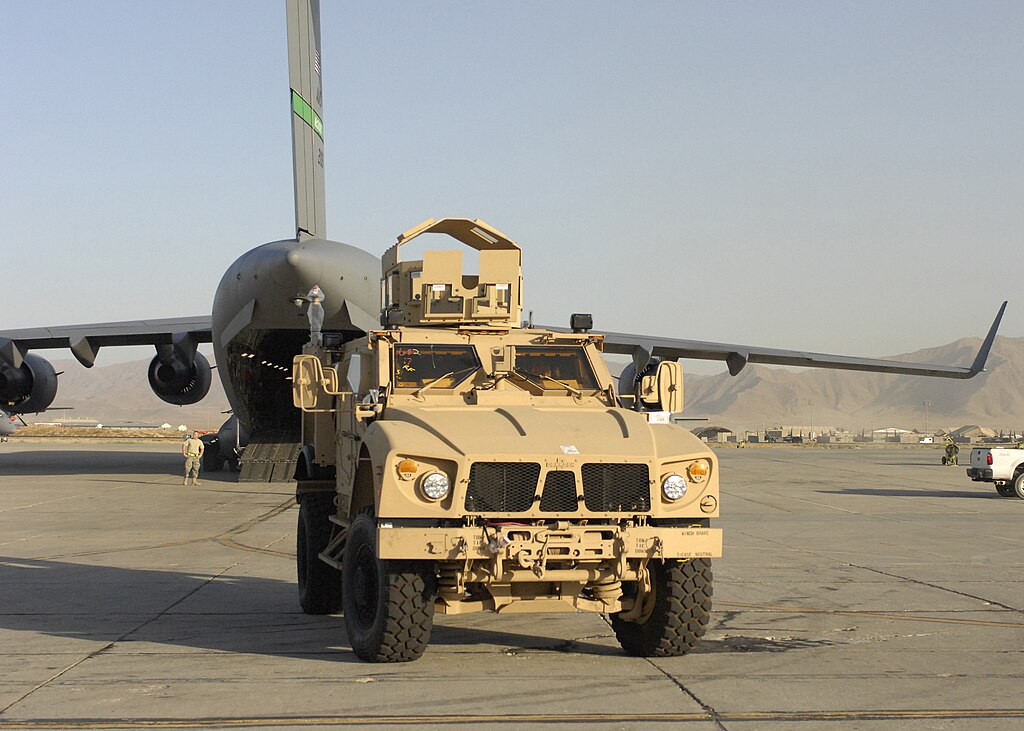
UAE signs 750 MRAP deal and other contracts worth $1.42 billion
The United Arab Emirates has signed 17 contracts worth 5.2 billion Dirham or roughly $1.42 billion, including:
The M-ATV is lighter, smaller and more maneuverable than previous generation MRAP vehicles, while maintaining their levels of protection with its Plasan composite armored hull. The vehicle has a:
The Predator XP is an export version of the medium-altitude, long-endurance (MALE) MQ-1 Predator Unmanned Aerial Vehicle (UAV). The Predator has:
The CIRIT is an air-to-surface missile developed by Turkey's RoketSan for helicopters and UAVs. The missile has:
Earlier this month, the UAE received the first of 3 A330 MRTT multi-role tanker and transport aircraft it ordered from Airbus. The UAE is also negotiating the potential purchase of the Typhoon or Rafale fighter aircraft, but no contract has been signed.
http://gulfnews.com/business/general/uae-armed-forces-sign-17-deals-1.1147973


- a 1.4 billion Dirham or $381 million contract with the Oshkosh Corporation from the United States for the delivery of 750 Mine Resistant Ambush Protected (MRAP) All-Terrain Vehicles (M-ATVs) in 2013
- a 722 million Dirham or $196 million contract with General Atomics for export Predator XP unmanned aircraft
- a 720 million Dirham or $196 million contract with Tawazun for the purchase of CIRIT laser guided missiles
- a 472.7 million Dirham or $128.7 million contract with Russia’s KBP for the delivery of ammunition
- a 375.4 million Dirham or $102.2 million contract with the Abu Dhabi Ship Building Company for the installation of Rolling Airframe Missiles (RAM)
- a 140 million Dirham or $38 million contract with the Italian Fincantieri to provide technical support for naval vessels it recently acquired
The M-ATV is lighter, smaller and more maneuverable than previous generation MRAP vehicles, while maintaining their levels of protection with its Plasan composite armored hull. The vehicle has a:
- length of 6.27 m
- width of 2.49 m
- speed of 105 km/hr
- range of 510 km
- maximum weight of 14700 kg
The Predator XP is an export version of the medium-altitude, long-endurance (MALE) MQ-1 Predator Unmanned Aerial Vehicle (UAV). The Predator has:
- a length of 8.22 m
- a wingspan of 14.8 m
- a height of 2.1 m
- an empty weight of 512 kg
- a max takeoff weight of 1020 kg
- a max speed of 217 km/hr
- a max range of 1100 km
- a max endurance of 24 hrs
The CIRIT is an air-to-surface missile developed by Turkey's RoketSan for helicopters and UAVs. The missile has:
- a length of 1.9 m
- a diameter of 70 mm
- weighs 14 kg
- a warhead of 3 kg
- a maximum range of 8 km
Earlier this month, the UAE received the first of 3 A330 MRTT multi-role tanker and transport aircraft it ordered from Airbus. The UAE is also negotiating the potential purchase of the Typhoon or Rafale fighter aircraft, but no contract has been signed.
http://gulfnews.com/business/general/uae-armed-forces-sign-17-deals-1.1147973



Thursday, February 14, 2013
Indian purchase of 12 AgustaWestland AW101 helicopters under scrutiny
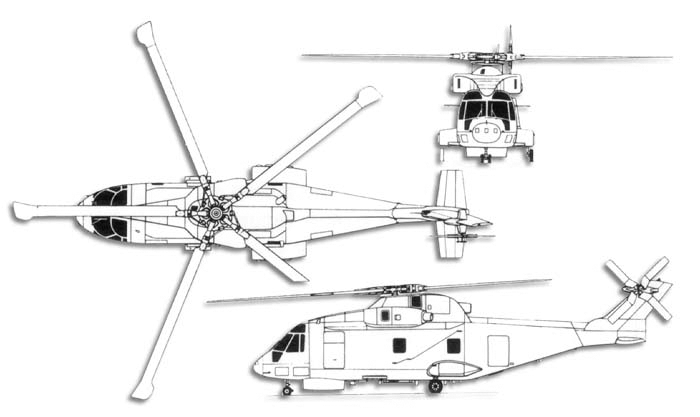
India has instructed the country's Central Bureau of Investigation (CBI) to investigate the purchase of 12 AW101 helicopters from the Anglo-Italian AgustaWestland. The $752 million contract was signed in 2010 and the aircraft involved are the Very Very Important Person (VVIP) variant of the AW101.
The Italian police have arrested Giuseppe Orsi, the chairman and chief executive of Finmeccanica, on February 12. Bruno Spagnolini, the chief executive of AgustaWestland, which is a subsidiary of Finmeccanica, has also been placed under house arrest.
Both cases are thought to be related to allegations of bribery connected to the purchase of the 12 AW101 by India, which is now under investigation. The Indian Defense Ministry has stated that the contract may be cancelled if corruption and illegal payments are involved.
The AW101 or Merlin in some countries, was formerly known as the EH101 and in addition to the VVIP variant comes in a military transport and Anti-Submarine Warfare (ASW) variant.
Specifications
Crew: 2
Length: 22.83 m
Height: 6.66 m
Rotor diameter: 18.60 m
Max cruise speed: 278 km/hr
Max takeoff weight: 15600 kg
Max range: 1058 km (VVIP)
Max endurance: 5 hours and 10 minutes (VVIP)
Powerplant: 3 Rolls-Royce Turbomeca RTM322-01 turboshafts, 1566 kW / 2100 shp each
http://www.bbc.co.uk/news/world-asia-india-21438275


The Italian police have arrested Giuseppe Orsi, the chairman and chief executive of Finmeccanica, on February 12. Bruno Spagnolini, the chief executive of AgustaWestland, which is a subsidiary of Finmeccanica, has also been placed under house arrest.
Both cases are thought to be related to allegations of bribery connected to the purchase of the 12 AW101 by India, which is now under investigation. The Indian Defense Ministry has stated that the contract may be cancelled if corruption and illegal payments are involved.
The AW101 or Merlin in some countries, was formerly known as the EH101 and in addition to the VVIP variant comes in a military transport and Anti-Submarine Warfare (ASW) variant.
Specifications
Crew: 2
Length: 22.83 m
Height: 6.66 m
Rotor diameter: 18.60 m
Max cruise speed: 278 km/hr
Max takeoff weight: 15600 kg
Max range: 1058 km (VVIP)
Max endurance: 5 hours and 10 minutes (VVIP)
Powerplant: 3 Rolls-Royce Turbomeca RTM322-01 turboshafts, 1566 kW / 2100 shp each
http://www.bbc.co.uk/news/world-asia-india-21438275

Sunday, January 27, 2013
UK signs £14 million Brimstone missile contract with MBDA
The British Ministry of Defense has placed a £14 million or $22 million contract with MBDA Missile Systems for the delivery of air-to-ground Brimstone missiles to replenish Royal Air Force (RAF) stocks. The missiles are manufactured at Henlow, Bedfordshire and Lostock, Bolton.
The inventory of precision guided Brimstone missiles was depleted after campaigns in Afghanistan and especially Libya, where it proved highly effective in engaging moving or static targets in all-weather conditions with pin point accuracy.
The original Brimstone missile is equipped with a Millimetric Wave (mmW) radar seeker. The second version adds laser guidance to its dual-mode seeker. The mmW seeker allows it to target the most vulnerable part of the target and makes it highly resistant to jamming.
The Brimstone is fully programmable and can be used in autonomous fire-and-forget or semi-autonomous mode. The tandem shaped charge warhead is designed for low collateral damage and effective against reactive armor. Up to 3 Brimstones can be carried on a single launcher.
Specifications
Weight: 50 kg
Length: 1.8 m
Diameter: 0.18 m
Engine: Solid fuel rocket
Maximum range: 12 km
Guidance: millimetric wave radar or millimetric wave radar / laser guidance
http://www.raf.mod.uk/news/archive/raf-brimstone-missiles-16012013

The inventory of precision guided Brimstone missiles was depleted after campaigns in Afghanistan and especially Libya, where it proved highly effective in engaging moving or static targets in all-weather conditions with pin point accuracy.
The original Brimstone missile is equipped with a Millimetric Wave (mmW) radar seeker. The second version adds laser guidance to its dual-mode seeker. The mmW seeker allows it to target the most vulnerable part of the target and makes it highly resistant to jamming.
The Brimstone is fully programmable and can be used in autonomous fire-and-forget or semi-autonomous mode. The tandem shaped charge warhead is designed for low collateral damage and effective against reactive armor. Up to 3 Brimstones can be carried on a single launcher.
Specifications
Weight: 50 kg
Length: 1.8 m
Diameter: 0.18 m
Engine: Solid fuel rocket
Maximum range: 12 km
Guidance: millimetric wave radar or millimetric wave radar / laser guidance
http://www.raf.mod.uk/news/archive/raf-brimstone-missiles-16012013

Thursday, January 17, 2013
South Korea orders 8 AW159 AugustaWestland naval helicopters
South Korea has decided to purchase 8 AW159 helicopters from the Anglo-Italian AugustaWestland in a deal worth 600 billion South Korean won or roughly $567 million according to the Defense Acquisition
Program Administration (DAPA) making it the first export customer for the AW159.
Despite earlier reports to the contrary, the Sikorsky MH-60R Seahawk was the losing bidder in the selection process, where cost, technology level and off-set trade were important factors. The United States often has the advantage in South Korean competitions due to the close military alliance between the 2 countries.
According to officials, the MH-60R was disqualified mostly because it could not meet the price requested by South Korea. Previously, the DAPA had stated its determination to buy 8 helicopters for about $554 million . But in a report of a possible deal to the US Congress, the value of the MH-60R deal had been set at $1 billion.
According to Kim Seung Bok, director of maritime aircraft, the MH-60R is superior to the AW159 in terms of interoperability, which is often a deciding factor in South Korean competitions. Unlike the Wildcat, the bigger MH-60R can also conduct multiple missions simultaneously.
However, the AW159 offer was more compelling for South Korea based on cost, operational suitability and other contractual elements. Despite the losing bid, the MH-60R has recently won contracts in Denmark and Australia.The 2 helicopters may compete again in Saudi Arabia, Qatar, and the United Arab Emirates.
The AW159 Wildcat is a larger and improved version of the Super Lynx, which is already in South Korean service. The multipurpose helicopter:
Specifications
Crew: 2 pilots
Capacity: 7 passengers, including door gunner
Length: 15.24 m
Height: 3.73 m
Max takeoff weight: 6000 kg
Powerplant: 2 × LHTEC CTS800-4N turboshaft, 1015 kW each
Maximum speed: 291 km/h
Range: 777 km
Ferry range: 963 km
Endurance: 1 hr 30 min (4 hr 30 min with auxiliary fuel)
http://english.yonhapnews.co.kr/national/2013/01/15/96/0301000000AEN20130115009200315F.HTML
Despite earlier reports to the contrary, the Sikorsky MH-60R Seahawk was the losing bidder in the selection process, where cost, technology level and off-set trade were important factors. The United States often has the advantage in South Korean competitions due to the close military alliance between the 2 countries.
According to officials, the MH-60R was disqualified mostly because it could not meet the price requested by South Korea. Previously, the DAPA had stated its determination to buy 8 helicopters for about $554 million . But in a report of a possible deal to the US Congress, the value of the MH-60R deal had been set at $1 billion.
According to Kim Seung Bok, director of maritime aircraft, the MH-60R is superior to the AW159 in terms of interoperability, which is often a deciding factor in South Korean competitions. Unlike the Wildcat, the bigger MH-60R can also conduct multiple missions simultaneously.
However, the AW159 offer was more compelling for South Korea based on cost, operational suitability and other contractual elements. Despite the losing bid, the MH-60R has recently won contracts in Denmark and Australia.The 2 helicopters may compete again in Saudi Arabia, Qatar, and the United Arab Emirates.
The AW159 Wildcat is a larger and improved version of the Super Lynx, which is already in South Korean service. The multipurpose helicopter:
- carries a dipping sonar and 360 degree radar,
- can be armed with torpedoes, anti-ship missiles and machine guns,
- can be used both in the anti-submarine and anti-surface role,
- can be adapted for various missions, including search-and-rescue.
Specifications
Crew: 2 pilots
Capacity: 7 passengers, including door gunner
Length: 15.24 m
Height: 3.73 m
Max takeoff weight: 6000 kg
Powerplant: 2 × LHTEC CTS800-4N turboshaft, 1015 kW each
Maximum speed: 291 km/h
Range: 777 km
Ferry range: 963 km
Endurance: 1 hr 30 min (4 hr 30 min with auxiliary fuel)
http://english.yonhapnews.co.kr/national/2013/01/15/96/0301000000AEN20130115009200315F.HTML
Monday, January 14, 2013
US Report Details Unresolved Issues With F-35 Program
An 18 page Pentagon report recently sent to the United States Congress has provided some details about the current state of the F-35 fighter Lightning II program, which at $396 billion makes it the most expensive weapons program in the history of the United States.
Lockheed Martin, the prime contractor, is to build 3 different models of the F-35 fighter for the United States, which plans to purchase 2443 of the aircraft. In addition, the plane will likely be acquired by eight other nations that helped pay for its development, including:
http://news.yahoo.com/pentagon-report-cites-lack-maturity-lockheed-f-35-012237872--finance.html


Lockheed Martin, the prime contractor, is to build 3 different models of the F-35 fighter for the United States, which plans to purchase 2443 of the aircraft. In addition, the plane will likely be acquired by eight other nations that helped pay for its development, including:
- Australia,
- Canada,
- Denmark,
- Italy,
- the Netherlands,
- Norway,
- Turkey,
- the United kingdom
- the program has completed a third or 20,000 of all planned test flights and has 39,579 left to go
- certain tests planned for 2012 by Lockheed Martin were not accomplished, but overall the number of tests completed in 2012 of 1092 exceeded the number planned of 927 by performing some future tests earlier
- the F-35A completed 30 percent less tests than planned due to problems with the weapon bay doors, operating limits of the aircraft and problems with the air refuelling system, which required new instrumentation
- the F-35B for the Marine Corps has issues with the engine lift fan built by Rolls Royce, a supplier to the engine maker, Pratt & Whitney, a unit of United Technologies Corp
- durability testing of the F-35B had to be halted after multiple cracks were found on the underside of the plane's fuselage
- the F-35C has problems with the ability to transfer video and imagery data to ships and a potentially serious problem with the coolant system
- during high-speed, high-altitude flights, the stealthy coatings peeled off on horizontal tail surfaces due to higher-than-expected temperatures
- software packages from Lockheed Martin needed to support flight tests were delayed or not complete when delivered
- both the advanced helmet and the computerized logistics system have issues that remain unresolved
- weapons integration testing has been delayed by numerous factors, including problems with radar performance
- flight operations are currently banned within 25 miles of known lightning conditions due to issues with the system that protects the plane from fuel tank explosions caused by lightning
- the mean time between critical failures has increased and the aircraft weight has remained steady, but the aircraft's performance remains below the level expected at this point in time
http://news.yahoo.com/pentagon-report-cites-lack-maturity-lockheed-f-35-012237872--finance.html


Sunday, January 13, 2013
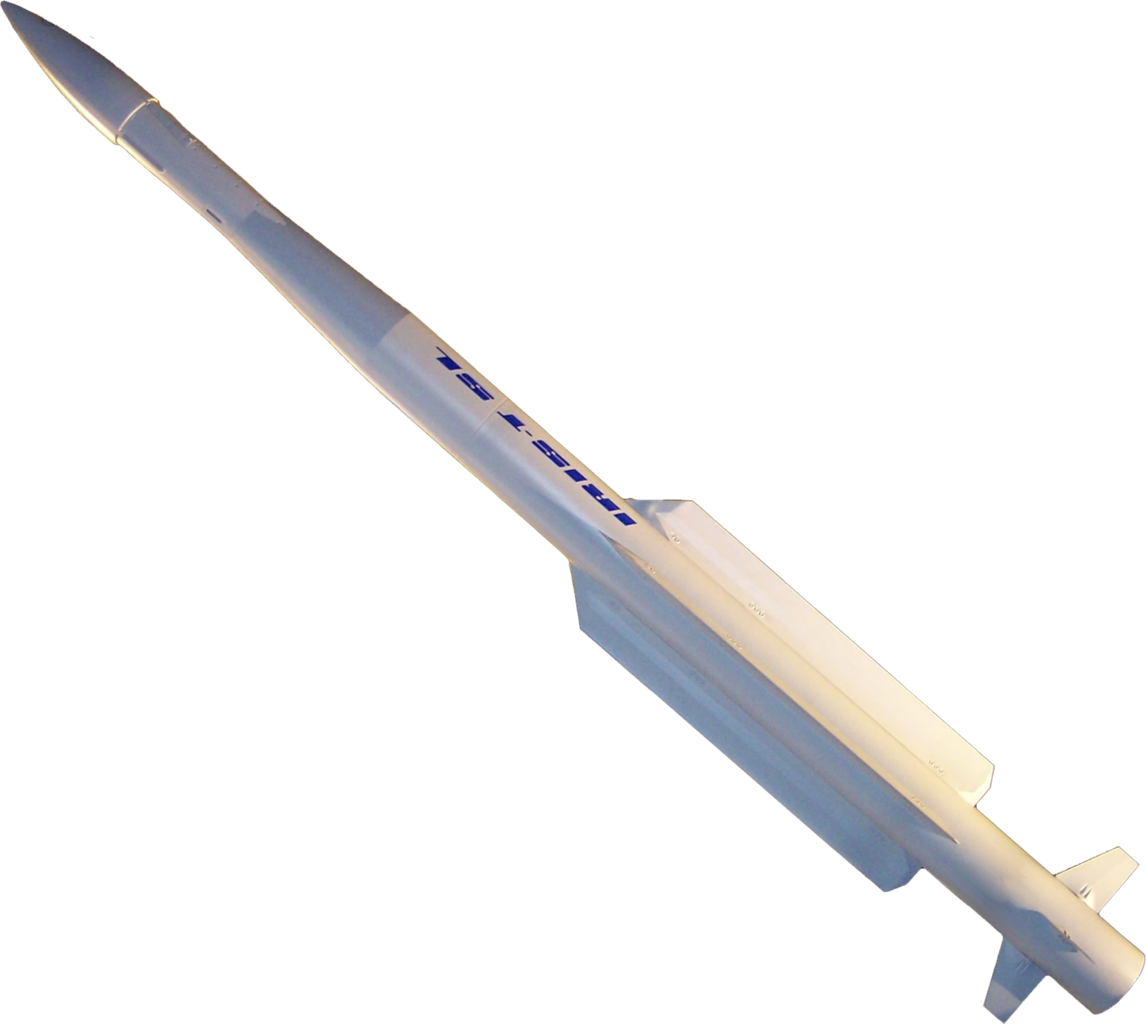
Diehl Defense Successfully Tested IRIS-T SL Surface-to-Air Missile
A prototype of a Surface-to-Air (SAM) variant of the Infra Red Imaging System Tail/Thrust Vector-Controlled (IRIS-T) air-to-air missile has been successfully tested in South Africa by Diehl Defense.
The validation trials of the radar-guided IRIS-T SL SAM included:
The IRIS-T origins can be traced back to an agreement made where the United States would develop a new Advanced Medium Range Air-to-Air Missile (AMRAAM) and its European allies, principally the United Kingdom and Germany, a new Advanced Short Range Air-to-Air Missile (ASRAAM).
The original ASRAAM was criticized for its manoeuvrability, especially the lack of thrust vectoring, which led Germany to abandon the ASRAAM project and develop its own IRIS-T missile. The United States would also develop its own short-range air-to-air missile, citing delays with the ASRAAM.
The result was that instead of a single replacement missile for the AIM-9 Sidewinder missile, three short-range air-to-air missiles appeared:
The medium range IRIS-T SL will also be complemented by the shorter range IRIS-T SLS. Unlike the heavily modified IRIS-T SL, the surface launched IRIS-T SLS retains the basic missile body and imaging infrared seeker of the original air launched IRIS-T.
Specifications IRIS-T
Weight: 87.4 kg
Length: 2936 mm
Diameter: 127 mm
Wingspan: 447 mm
Engine: Solid-fuel rocket
Max range: 25000 m
Speed: Mach 3
Guidance: Imaging Infrared seeker
http://www.diehl.com/en/diehl-group/press/air-defence-missile-iris-t-sl-tested-successfully/190.html


The validation trials of the radar-guided IRIS-T SL SAM included:
- target cueing by external radar data
- target acquisition after launch
- target tracking by the missile
The IRIS-T origins can be traced back to an agreement made where the United States would develop a new Advanced Medium Range Air-to-Air Missile (AMRAAM) and its European allies, principally the United Kingdom and Germany, a new Advanced Short Range Air-to-Air Missile (ASRAAM).
The original ASRAAM was criticized for its manoeuvrability, especially the lack of thrust vectoring, which led Germany to abandon the ASRAAM project and develop its own IRIS-T missile. The United States would also develop its own short-range air-to-air missile, citing delays with the ASRAAM.
The result was that instead of a single replacement missile for the AIM-9 Sidewinder missile, three short-range air-to-air missiles appeared:
- the ASRAAM from the United Kingdom
- the IRIS-T from Germany and partners
- the AIM-9X from the United States
The medium range IRIS-T SL will also be complemented by the shorter range IRIS-T SLS. Unlike the heavily modified IRIS-T SL, the surface launched IRIS-T SLS retains the basic missile body and imaging infrared seeker of the original air launched IRIS-T.
Specifications IRIS-T
Weight: 87.4 kg
Length: 2936 mm
Diameter: 127 mm
Wingspan: 447 mm
Engine: Solid-fuel rocket
Max range: 25000 m
Speed: Mach 3
Guidance: Imaging Infrared seeker
http://www.diehl.com/en/diehl-group/press/air-defence-missile-iris-t-sl-tested-successfully/190.html


Saturday, January 12, 2013
India again selects A330 MRTT Multi Role Tanker Transport aircraft
India has again selected Airbus Military as the preferred bidder to supply its A330 MRTT Multi Role Tanker Transport to the Indian Air Force (IAF) after a long and thorough selection process, which resulted in a prior selection being cancelled in 2010. The Ilyushin IL-78MK from Russia was the losing candidate in the competition.
A contract for the supply of 6 aircraft in 2013, as expected, would bring the number exported to 34 and make India the fifth country to use the A330 MRTT aircraft, following:
The wide-body Airbus Military A330 MRTT aircraft can be used both as a tanker and transport aircraft and is derived from the civilian A330-200 airliner. It supports both the Boom Refuelling system and Hose and Drogue Pod Refuelling system.
As a transport aircraft, the A330 MRTT can carry up to 300 troops or a payload of up to 45 ton. It can also function in the Medical Evacuation (MEDEVAC) role with room for 130 stretchers.
Specifications
Crew: 3
Length: 58.80 m
Wingspan: 60.3 m
Height: 17.4 m
Maximum speed: 880 km/h
Cruise speed: 860 km/h
Range: 14800 km
Service ceiling: 12600 m
Empty weight: 125000 kg
Useful load: 45000 kg non-fuel payload
Max takeoff weight: 233000 kg
Powerplant: 2× Rolls-Royce Trent 772B or General Electric CF6-80E1A4 or Pratt & Whitney PW 4168A turbofans, 320 kN (72,000 lbf) each
Fuel Capability: 111000 kg max, 65,000 kg at 1000 nmi with 2 hours on station
http://www.airbusmilitary.com/LatestNews/tabid/176/ArticleID/234/ArtMID/681/Airbus-Military-A330-MRTT-selected-by-Indian-Government-.aspx

A contract for the supply of 6 aircraft in 2013, as expected, would bring the number exported to 34 and make India the fifth country to use the A330 MRTT aircraft, following:
- Australia order for 5 of which 4 have been delivered,
- Saudi Arabia ordered 6,
- the United Arab Emirates ordered 3,
- the United Kingdom ordered 14 with 1 delivered.
The wide-body Airbus Military A330 MRTT aircraft can be used both as a tanker and transport aircraft and is derived from the civilian A330-200 airliner. It supports both the Boom Refuelling system and Hose and Drogue Pod Refuelling system.
As a transport aircraft, the A330 MRTT can carry up to 300 troops or a payload of up to 45 ton. It can also function in the Medical Evacuation (MEDEVAC) role with room for 130 stretchers.
Specifications
Crew: 3
Length: 58.80 m
Wingspan: 60.3 m
Height: 17.4 m
Maximum speed: 880 km/h
Cruise speed: 860 km/h
Range: 14800 km
Service ceiling: 12600 m
Empty weight: 125000 kg
Useful load: 45000 kg non-fuel payload
Max takeoff weight: 233000 kg
Powerplant: 2× Rolls-Royce Trent 772B or General Electric CF6-80E1A4 or Pratt & Whitney PW 4168A turbofans, 320 kN (72,000 lbf) each
Fuel Capability: 111000 kg max, 65,000 kg at 1000 nmi with 2 hours on station
http://www.airbusmilitary.com/LatestNews/tabid/176/ArticleID/234/ArtMID/681/Airbus-Military-A330-MRTT-selected-by-Indian-Government-.aspx

Saturday, December 29, 2012
US Navy orders 2 Virginia class submarines and starts work on Ohio class SSBN replacement
The Unites States Navy awarded a 5 year contract worth up to $1.99 billion for research and development work on a new submarine class to succeed the current Ohio class. The Navy plans to purchase 12 new submarines from 2021 on to replace the
current fleet of Ohio-class submarines.
The Pentagon said the contract includes:
Length: 377 ft / 115 m
Beam: 34 ft / 10.4 m
Displacement: 7800 long tons / 7900 ton
Payload: 40 weapons, special operations forces, unmanned undersea vehicles, Advanced SEAL Delivery System (ASDS)
Propulsion: S9G nuclear reactor
Maximum diving depth: greater than 800 ft / 240 m
Speed: greater than 25 knots (46 km/h or 29 mph)
Crew: 120 enlisted and 14 officers
Armament: 12-cell Vertical Launch System and four torpedo tubes, capable of launching Mark 48 torpedoes, UGM-109 Tactical Tomahawks and Harpoon missiles
http://finance.yahoo.com/news/general-dynamics-huntington-ingalls-win-212721612.html


The Pentagon said the contract includes:
- design work on the new submarine class
- continued work on a new common missile compartment being developed by the US Navy and the United Kingdom
- cost reduction initiatives
- full scale prototype manufacturing and assembly
Specifications Virginia class
Type: Attack Submarine, Nulclear-powered (SSN)Length: 377 ft / 115 m
Beam: 34 ft / 10.4 m
Displacement: 7800 long tons / 7900 ton
Payload: 40 weapons, special operations forces, unmanned undersea vehicles, Advanced SEAL Delivery System (ASDS)
Propulsion: S9G nuclear reactor
Maximum diving depth: greater than 800 ft / 240 m
Speed: greater than 25 knots (46 km/h or 29 mph)
Crew: 120 enlisted and 14 officers
Armament: 12-cell Vertical Launch System and four torpedo tubes, capable of launching Mark 48 torpedoes, UGM-109 Tactical Tomahawks and Harpoon missiles
http://finance.yahoo.com/news/general-dynamics-huntington-ingalls-win-212721612.html


Friday, December 28, 2012
Philippines purchases 3 AW109 AgustaWestland helicopters and 72 vehicles from South Korea
The Philippines has signed a contract with the Anglo-Italian company AgustaWestland for the delivery of 3 AW109 naval helicopters in a deal worth 1.34 billion Philippine Pesos or roughly $33.5 million dollar.
Another contract worth 300.78 Philippine Pesos or $7.5 million dollar was signed with the Korean KIA Motors Corp. for 60 ambulances and 12 five-ton trucks to be used by the army.
All are part of a military modernisation programme on the part of the Philippines, which in recent times has been involved in an ongoing territorial dispute with the People's Republic of China.
http://www.philstar.com/nation/2012/12/27/890578/dnd-signs-p1.6-b-purchase-deal-choppers-ambulances

Another contract worth 300.78 Philippine Pesos or $7.5 million dollar was signed with the Korean KIA Motors Corp. for 60 ambulances and 12 five-ton trucks to be used by the army.
All are part of a military modernisation programme on the part of the Philippines, which in recent times has been involved in an ongoing territorial dispute with the People's Republic of China.
http://www.philstar.com/nation/2012/12/27/890578/dnd-signs-p1.6-b-purchase-deal-choppers-ambulances

Saturday, December 22, 2012
Oman Purchases 12 Typhoon Fighter and 8 Hawk Trainer Aircraft
BAE Systems has signed a contract for the delivery of 12 Typhoon fighter aircraft and 8 Hawk trainer aircraft to Oman in 2017.
This makes Oman the seventh country to order the Typhoon after the UK, Germany, Italy, Spain, Austria and Saudi Arabia.
The order was a much needed win for BAE Systems after it was eliminated from India's Medium Multi-Role Combat Aircraft (MMRCA) competition to acquire 126 fighter aircraft, which was won by the French Dassault Rafale.
The Typhoon is also competing against Boeing F-15 Silent Eagle and Lockheed Martin F-35 to supply South Korea with 60 aircraft for its F-X III program.
Negotiations with Saudi Arabia to adjust contract prices from the 2007 deal have yet to make any progress after 2 years. Only 24 of the 72 Typhoon aircraft contracted have so far been delivered.
The 8 aircraft to Oman brings the total number of Hawk aircraft sold or on order to 998.
http://www.baesystems.com/article/BAES_155046/we-welcome-oman-order-for-typhoon-and-hawk-aircraft

This makes Oman the seventh country to order the Typhoon after the UK, Germany, Italy, Spain, Austria and Saudi Arabia.
The order was a much needed win for BAE Systems after it was eliminated from India's Medium Multi-Role Combat Aircraft (MMRCA) competition to acquire 126 fighter aircraft, which was won by the French Dassault Rafale.
The Typhoon is also competing against Boeing F-15 Silent Eagle and Lockheed Martin F-35 to supply South Korea with 60 aircraft for its F-X III program.
Negotiations with Saudi Arabia to adjust contract prices from the 2007 deal have yet to make any progress after 2 years. Only 24 of the 72 Typhoon aircraft contracted have so far been delivered.
The 8 aircraft to Oman brings the total number of Hawk aircraft sold or on order to 998.
http://www.baesystems.com/article/BAES_155046/we-welcome-oman-order-for-typhoon-and-hawk-aircraft

Wednesday, December 19, 2012
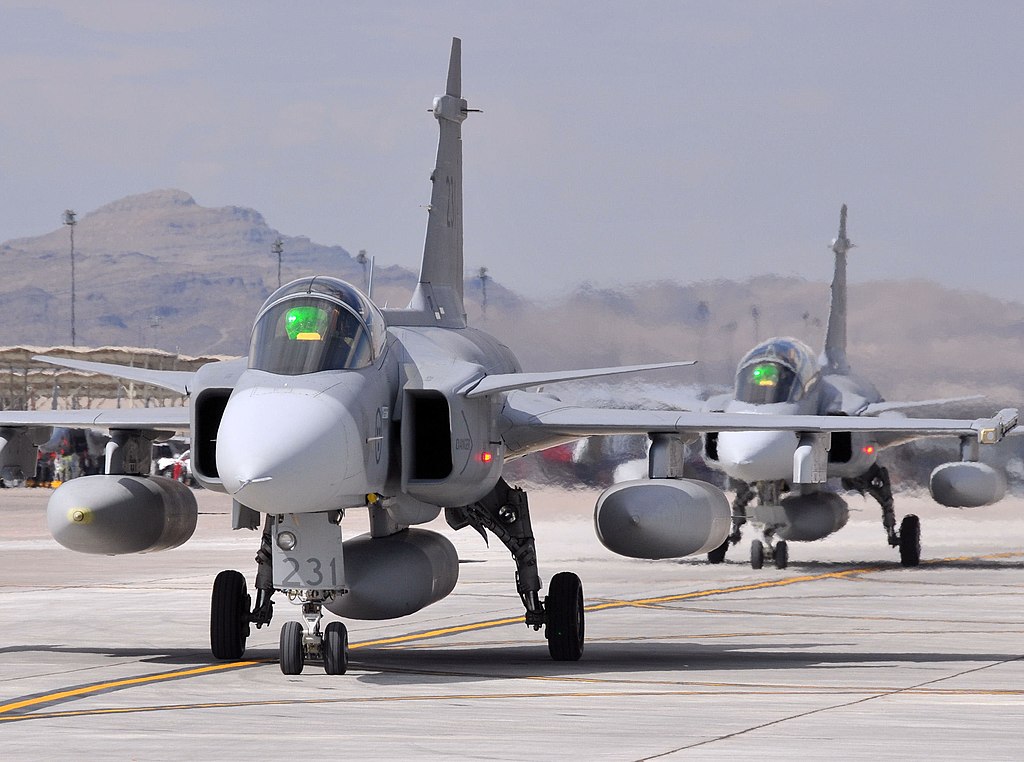
Swiss Pilots Test Fly Saab JAS 39 Gripen F / NG Demonstrator in Sweden
Swiss pilots have successfully test flown in Sweden a Saab JAS 39 Gripen F two-seat demonstrator aircraft, equipped with a new Active Electronically Scanned Array (AESA) radar.
The radar is a test version, manufactured by Selex Galileo from the United Kingdom, to help verify the following features:
The Gripen aircraft used is derived from a modified Gripen D airframe and an intermediate version between the Gripen C/D currently in service and the future Gripen E/F or Gripen NG.
The demonstrator is used to test subsystems of the Gripen E/F and made its first flight on May 27, 2008, and has accumulated over 250 flight hours. It is powered by a General Electric (GE) F414G engine from the United States.
The Gripen E/F will feature the following improvements over the Gripen C/D:
Payload: 5,300 kg
Length: 14.1 m, two-seater: 14.8 m
Wingspan: 8.4 m
Height: 4.5 m
Wing area: 30.0 m²
Empty weight: 6,800 kg
Loaded weight: 8,500 kg
Maximum takeoff weight: 14,000 kg
Engine: 1 × Volvo Aero RM12 afterburning turbofan derived from GE F404
Dry thrust: 54 kN (12,100 lbf)
Thrust with afterburner: 80.5 kN (18,100 lbf)
Maximum speed: Mach 2 (2,204 km/h) at altitude
Combat radius: 800 km
Ferry range: 3,200 km with drop tanks
Service ceiling: 15,240 m
Wing loading: 283 kg/m²
Thrust/weight: 0.97
http://www.saabgroup.com/en/About-Saab/Newsroom/Press-releases--News/2012---12/Swiss-Test-Fly-Gripen-in-Sweden/

The radar is a test version, manufactured by Selex Galileo from the United Kingdom, to help verify the following features:
- Assembly
- Radar cooling
- Electrical power supply
- Data exchange between the radar and the mission computer
The Gripen aircraft used is derived from a modified Gripen D airframe and an intermediate version between the Gripen C/D currently in service and the future Gripen E/F or Gripen NG.
The demonstrator is used to test subsystems of the Gripen E/F and made its first flight on May 27, 2008, and has accumulated over 250 flight hours. It is powered by a General Electric (GE) F414G engine from the United States.
The Gripen E/F will feature the following improvements over the Gripen C/D:
- More powerful engine, the F414G
- Greater payload and internal fuel capacity
- Two additional under-fuselage hard-points
- New landing gear
- New AESA radar
- Passive Infrared search and tracking sensor
- New cockpit and avionics
- New electronic warfare (EW) suite
Specifications of the Gripen C/D:
Crew: 1 (2 for JAS 39D)Payload: 5,300 kg
Length: 14.1 m, two-seater: 14.8 m
Wingspan: 8.4 m
Height: 4.5 m
Wing area: 30.0 m²
Empty weight: 6,800 kg
Loaded weight: 8,500 kg
Maximum takeoff weight: 14,000 kg
Engine: 1 × Volvo Aero RM12 afterburning turbofan derived from GE F404
Dry thrust: 54 kN (12,100 lbf)
Thrust with afterburner: 80.5 kN (18,100 lbf)
Maximum speed: Mach 2 (2,204 km/h) at altitude
Combat radius: 800 km
Ferry range: 3,200 km with drop tanks
Service ceiling: 15,240 m
Wing loading: 283 kg/m²
Thrust/weight: 0.97
http://www.saabgroup.com/en/About-Saab/Newsroom/Press-releases--News/2012---12/Swiss-Test-Fly-Gripen-in-Sweden/
Subscribe to:
Posts (Atom)