Brazil has signed the contract for the purchase of 36 Gripen E/F, the latest version of the JAS 39 Gripen from Sweden's SAAB. While Brazil had earlier reported that it had chosen the Gripen over other contenders such as the French Rafale and the American F-18, the signing of the contract worth around $5.4 billion makes it official.
This makes Brazil the first export customer of the Swedish Gripen E/F, also known as the Gripen NG. Brazil thus joins Sweden, South Africa, Thailand, Hungary and the Czech Republic as countries that have either purchased on leased Gripen aircraft.
Brazil also becomes the first country to purchase the dual-seat Gripen F by including eight Gripen F on top of 28 single-seat Gripen E in the order for 36 aircraft. Sweden, the first to buy the latest Gripen, had only included the single-seat Gripen E in its purchase of 60 aircraft.
Showing posts with label Sweden. Show all posts
Showing posts with label Sweden. Show all posts
Tuesday, October 28, 2014

Monday, June 30, 2014
Sweden Opts For New Gripen E Fighter Aircraft Instead of Remanufactured Ones
The Swedish parliament has voted in favor of amending the existing contract for the delivery of 60 Gripen E fighter aircraft. Originally, the aircraft were to be converted from existing Gripen C currently used. The Swedish Air Force will now receive completely new aircraft instead of remanufactured ones.
This change comes shortly after the Gripen program suffered a setback when the public in Switzerland voted against the purchase of 22 Gripen E/F fighter aircraft. Switzerland had been expected the become the first export customer for the latest variant of the Gripen and Swiss pilots had already taken active part in the testing and development of the Gripen E/F.
If Switzerland does not purchase the Gripen, production of the Gripen E/F would almost certainly be affected and very likely raise the cost of the aircraft. This raises the importance for Sweden of finding a new partner, the most obvious one being Brazil, which selected the Gripen E/F as its new fighter. A contract with Brazil would help lessen the loss in Switzerland.
The Swedish decision to go for new aircraft also means that there will be many more used Gripen aircraft available that could be leased to other Air Forces. Used Gripen aircraft are currently being leased to Hungary and the Czech Republic. South Africa and Thailand are the other users besides Sweden itself.

This change comes shortly after the Gripen program suffered a setback when the public in Switzerland voted against the purchase of 22 Gripen E/F fighter aircraft. Switzerland had been expected the become the first export customer for the latest variant of the Gripen and Swiss pilots had already taken active part in the testing and development of the Gripen E/F.
If Switzerland does not purchase the Gripen, production of the Gripen E/F would almost certainly be affected and very likely raise the cost of the aircraft. This raises the importance for Sweden of finding a new partner, the most obvious one being Brazil, which selected the Gripen E/F as its new fighter. A contract with Brazil would help lessen the loss in Switzerland.
The Swedish decision to go for new aircraft also means that there will be many more used Gripen aircraft available that could be leased to other Air Forces. Used Gripen aircraft are currently being leased to Hungary and the Czech Republic. South Africa and Thailand are the other users besides Sweden itself.
Wednesday, March 5, 2014
Brazil Buys Swedish RBS 70 VSHORAD Missile System
Sweden's SAAB has signed a $12 million contract for the delivery of the RBS 70 Very Short Range Air Defense (VSHORAD) missile system to Brazil starting this year. This makes Brazil the nineteenth country where the RBS 70 will enter service.
The purchase is another win for Sweden and comes after Brazil had previously selected Sweden's Gripen as its preferred choice for fighter aircraft over candidates from France and the United States, the Rafale and F/A-18 respectively. The RBS 70 in turn was selected over other candidates such as the Russian SA-18/24.
Besides the RBS 70 launchers and MK II type missiles, the contract includes simulators, night vision equipment, spare parts, test and maintenance equipment, training and other related support. The RBS 70 can come in several configurations such as mounted on various vehicles or dismounted on a tripod.
The MK II version features several improvements over previous versions which began entering service during the late seventies such as increased speed, longer range and a new shaped-charge warhead with a proximity fuse. A more updated and improved system is known as the RBS 70 NG.
The purchase is another win for Sweden and comes after Brazil had previously selected Sweden's Gripen as its preferred choice for fighter aircraft over candidates from France and the United States, the Rafale and F/A-18 respectively. The RBS 70 in turn was selected over other candidates such as the Russian SA-18/24.
Besides the RBS 70 launchers and MK II type missiles, the contract includes simulators, night vision equipment, spare parts, test and maintenance equipment, training and other related support. The RBS 70 can come in several configurations such as mounted on various vehicles or dismounted on a tripod.
The MK II version features several improvements over previous versions which began entering service during the late seventies such as increased speed, longer range and a new shaped-charge warhead with a proximity fuse. A more updated and improved system is known as the RBS 70 NG.
Friday, December 20, 2013
Brazil Selects Saab JAS39 Gripen E/F or NG Fighter Aircraft
Brazil has selected Saab's Gripen E/F or Gripen NG from Sweden for its F-X2 program and will now begin contract negotiations for 36 aircraft, worth an estimated $4.5 billion. That is expected to last one year, followed by deliveries after four years.
The contract is expected to include technology transfer that Brazil is looking for to allow for instance the integration of Brazilian missiles and weapons. Besides technology transfer, local assembly and joint fighter development, Sweden submitted the lowest bid and agreed to help finance the deal.
The Swedish Gripen beat Boeing's F/A-18E/F Super Hornet and Dassault's Rafale after an extended selection process that lasted over a decade and was marked by repeated delays and setbacks. It will replace the Mirage 2000C and F-5 in service with the Brazilian Air Force.
The win for Saab came on the same day it was awarded a 16.4 billion Swedish Krona or $2.5 billion production contract from the Swedish government to modify 60 JAS39 Gripen C/D fighters to the Gripen E/F standard.
The contract is expected to include technology transfer that Brazil is looking for to allow for instance the integration of Brazilian missiles and weapons. Besides technology transfer, local assembly and joint fighter development, Sweden submitted the lowest bid and agreed to help finance the deal.
The Swedish Gripen beat Boeing's F/A-18E/F Super Hornet and Dassault's Rafale after an extended selection process that lasted over a decade and was marked by repeated delays and setbacks. It will replace the Mirage 2000C and F-5 in service with the Brazilian Air Force.
The win for Saab came on the same day it was awarded a 16.4 billion Swedish Krona or $2.5 billion production contract from the Swedish government to modify 60 JAS39 Gripen C/D fighters to the Gripen E/F standard.
Saturday, September 21, 2013
Swiss Parliament Approves Purchase of JAS Gripen E / NG From Sweden
The Parliament of Switzerland has approved the purchase of JAS Gripen E / NG fighter aircraft From Sweden by a majority decision. The lower house had previously given its approval and Swiss pilots are taking part in test flights of the Gripen NG.
While the decision is good news for the Gripen program, the purchase may need to be submitted to a popular vote by the public. There are some signs that a significant proportion of the Swiss public does not approve of the acquisition.
The plan is to buy 22 new Gripen E aircraft from SAAB, the latest version of the Gripen and also known as the Gripen NG, with a budget of 3.13 billion Swiss francs or about $3.4 billion.
SAAB has already begun work on 60 Gripen E/F fighter aircraft for the Swedish Air Force. The first fighter aircraft are scheduled to be delivered in 2018 and are to be completed by 2026.
While the decision is good news for the Gripen program, the purchase may need to be submitted to a popular vote by the public. There are some signs that a significant proportion of the Swiss public does not approve of the acquisition.
The plan is to buy 22 new Gripen E aircraft from SAAB, the latest version of the Gripen and also known as the Gripen NG, with a budget of 3.13 billion Swiss francs or about $3.4 billion.
SAAB has already begun work on 60 Gripen E/F fighter aircraft for the Swedish Air Force. The first fighter aircraft are scheduled to be delivered in 2018 and are to be completed by 2026.
Thursday, July 4, 2013
Gripen Fires Production Version Of Meteor Missile For The First Time
Sweden's Saab Gripen is the first fighter aircraft to fire the production version of the Meteor air-to-air missile. Alls previous firings of the Meteor missile involved test rounds or other pre-production versions.
The Meteor missile is on track to enter service with Swedish Gripen C/D fighters in 2014. It will also be integrated with the new Gripen E / NG fighters that have recently been ordered.
Besides Sweden, the Meteor will also enter service in France with its Rafale aircraft of the Air Force and Navy. Germany, the United Kingdom, Italy and Spain will also use the Meteor missile on their Eurofighter Typhoon aircraft.
The Meteor is also being marketed to other countries such as India, which is currently negotiating the purchase of 126 Rafale aircraft. However, no contract has been signed so far.
In 2012, India ordered the MICA medium-range air-to-air missile for the 51 Mirage 2000H aircraft that are to be upgraded to a version of the Mirage 2000-9 standard as part of a 2011 contract.
The Meteor from MBDA is a long-range, all-weather, Beyond Visual Range Air-to-Air Missile guided by an active radar seeker. Its specifications are:
The Meteor missile also supports a two-way datalink, although only the Gripen and Eurofighter are compatible with it. The Rafale only supports a one-way datalink with the Meteor.
While the Meteor is the first of its type to enter service, other countries are developing similar ramjet missiles. Both Russia and China are working on their own versions.
http://www.saabgroup.com/en/About-Saab/Newsroom/Press-releases--News/2013---7/Gripen-first-to-fire-Meteor-missile/

The Meteor missile is on track to enter service with Swedish Gripen C/D fighters in 2014. It will also be integrated with the new Gripen E / NG fighters that have recently been ordered.
Besides Sweden, the Meteor will also enter service in France with its Rafale aircraft of the Air Force and Navy. Germany, the United Kingdom, Italy and Spain will also use the Meteor missile on their Eurofighter Typhoon aircraft.
The Meteor is also being marketed to other countries such as India, which is currently negotiating the purchase of 126 Rafale aircraft. However, no contract has been signed so far.
In 2012, India ordered the MICA medium-range air-to-air missile for the 51 Mirage 2000H aircraft that are to be upgraded to a version of the Mirage 2000-9 standard as part of a 2011 contract.
The Meteor from MBDA is a long-range, all-weather, Beyond Visual Range Air-to-Air Missile guided by an active radar seeker. Its specifications are:
- Length: 3.65 m
- Diameter: 0.18 m
- Weight: 185 kg
- Speed: Mach 4+
- Range: In excess of 100 km
The Meteor missile also supports a two-way datalink, although only the Gripen and Eurofighter are compatible with it. The Rafale only supports a one-way datalink with the Meteor.
While the Meteor is the first of its type to enter service, other countries are developing similar ramjet missiles. Both Russia and China are working on their own versions.
http://www.saabgroup.com/en/About-Saab/Newsroom/Press-releases--News/2013---7/Gripen-first-to-fire-Meteor-missile/

Monday, May 6, 2013
Second Archer Class Submarine Commissioned By Singapore
The RSS Swordsman, the second Archer class diesel-electric submarine has been commissioned in Singapore, where it will join the RSS Archer, which was commissioned in 2011.
The two submarines are the former Västergötland class submarines from the Swedish Navy. They were commissioned in the late eighties and sold to Singapore in 2005.
They have been adopted to local conditions, refurbished and upgraded by Sweden's Kockums before being delivered to Singapore. The Archer class specifications are:
The hull has also been extended to accommodate a Swedish Stirling Air Independent Propulsion module to allow the submarines to stay submerged for extended periods of time.
Besides the Archer class, Singapore also has four Challenger class diesel-electric submarines in service since the late nineties. The Challenger class specifications are:
http://www.mindef.gov.sg/imindef/press_room/official_releases/nr/2013/apr/30apr13_nr.html

The two submarines are the former Västergötland class submarines from the Swedish Navy. They were commissioned in the late eighties and sold to Singapore in 2005.
They have been adopted to local conditions, refurbished and upgraded by Sweden's Kockums before being delivered to Singapore. The Archer class specifications are:
- A crew of 28
- A length of 60.5 m
- A beam of 6.1 m
- A speed of 8 kn surfaced and 15 kn submerged
- A displacement of 1400 tonnes surfaced and 1500 tonnes submerged
The hull has also been extended to accommodate a Swedish Stirling Air Independent Propulsion module to allow the submarines to stay submerged for extended periods of time.
Besides the Archer class, Singapore also has four Challenger class diesel-electric submarines in service since the late nineties. The Challenger class specifications are:
- A crew of 28
- A length of 51 m
- A beam of 6.1 m
- A speed of 10 kn surfaced and 16 kn submerged
- A displacement of 1130 tonnes surfaced and 1200 tonnes submerged
http://www.mindef.gov.sg/imindef/press_room/official_releases/nr/2013/apr/30apr13_nr.html

Sunday, April 7, 2013
South Korea will buy Taurus KEPD 350 air-to-surface cruise missiles
According to Defense Minister, Kim Kwan-jin, South Korea will buy the Taurus missile and integrate them with the F-15K fighters currently in service. South Korea may buy up to 200 missiles.
South Korea is said to prefer the AGM-158 JASSM from the United States. However, the US is unwilling to sell the JASSM to South Korea causing it to turn to Europe for an alternative.
The Taurus KEPD 350 is a low-flying, long-range, stealthy, highly-accurate cruise missile developed jointly by Germany and Sweden. Its specifications are:
The Taurus KEPD 350 is designed to penetrate and strike high-value targets against strong air defenses at stand-off ranges. Its mutiple guidance methods makes it highly immune to any jamming environment.
The Multi-Effect Penetrator, HIgh Sophisticated and Target Optimised (MEPHISTO) warhead gives the Taurus KEPD 350 the ability to strike at hardened bunkers buried deep beneath the earth.
Its Programmable Intelligent Multi-Purpose Fuze (PIMPF) gives the KEPD 350 the ability to detonate the penetrator at pre-selected floors within the target through layer counting and void sensing technologies.
This makes the Taurus KEPD 350 suitable against North Korea which has extensive underground facilities. North Korea's hilly landscape is also suited to the terrain hugging flight profile of the Taurus missile.
The Taurus KEPD 350 will complement the existing SLAM-ER, an air-to-surface variant of the Harpoon missile with a range of about 280 km. The missiles were acquired as part of the purchase of 61 F-15K aircraft.
South Korea will also soon decide the winning bidder for the competition to provide 60 new fighter aircraft. The 3 competing candidates are the F-35 Joint Strike Fighter, the F-15 Silent Eagle and the Eurofighter Typhoon.
http://www.reuters.com/article/2013/04/04/korea-defense-missiles-idUSL3N0CR1D120130404

South Korea is said to prefer the AGM-158 JASSM from the United States. However, the US is unwilling to sell the JASSM to South Korea causing it to turn to Europe for an alternative.
The Taurus KEPD 350 is a low-flying, long-range, stealthy, highly-accurate cruise missile developed jointly by Germany and Sweden. Its specifications are:
- a length of 5.1 m
- a missile diameter of 1.08 m
- a wingspan of 2.06 m
- a weight of 1400 kg
- a warhead of 480 kg
- a maximum speed of Mach 0.95
- a maximum range of over 500 km
The Taurus KEPD 350 is designed to penetrate and strike high-value targets against strong air defenses at stand-off ranges. Its mutiple guidance methods makes it highly immune to any jamming environment.
The Multi-Effect Penetrator, HIgh Sophisticated and Target Optimised (MEPHISTO) warhead gives the Taurus KEPD 350 the ability to strike at hardened bunkers buried deep beneath the earth.
Its Programmable Intelligent Multi-Purpose Fuze (PIMPF) gives the KEPD 350 the ability to detonate the penetrator at pre-selected floors within the target through layer counting and void sensing technologies.
This makes the Taurus KEPD 350 suitable against North Korea which has extensive underground facilities. North Korea's hilly landscape is also suited to the terrain hugging flight profile of the Taurus missile.
The Taurus KEPD 350 will complement the existing SLAM-ER, an air-to-surface variant of the Harpoon missile with a range of about 280 km. The missiles were acquired as part of the purchase of 61 F-15K aircraft.
South Korea will also soon decide the winning bidder for the competition to provide 60 new fighter aircraft. The 3 competing candidates are the F-35 Joint Strike Fighter, the F-15 Silent Eagle and the Eurofighter Typhoon.
http://www.reuters.com/article/2013/04/04/korea-defense-missiles-idUSL3N0CR1D120130404
Friday, March 29, 2013
Malaysia Wants to Buy 18 Fighter Aircraft by 2015
Malaysia is looking to buy 18 new fighter aircraft by 2015 to replace the Mikoyan MiG-29 aircraft it currently has in service. It has short listed the following 5 candidates:
The exact cost of the contract for the new fighter aircraft has yet to be determined, but is certain to run into the billions. The competition for the contract is expected to be intense with extensive lobbying for the contract by manufacturers.
Some of the competitors, such as Sweden and France, are in dire need of an export contract. Winning the contract would greatly help the Gripen E/F and Rafale program with the addition of a second buyer.
Despite having been selected as the winner of India's MMRCA competition, France has yet to score an export contract for the Rafale. Sweden has recently ordered the Gripen E/F, but Switzerland has yet to decide on a proposal for 22 Gripen E/F.
Malaysia now has a fighter aircraft fleet of 18 Su-30MKM, 8 F/A-18D and 18 MiG-29N, of which only 10 are operational. All of the MiG-29N aircraft are to be retired by 2014.
The MiG-29N and F/A-18 had been ordered at the same time in 1993 in a split order. They were delivered in 1995 and 1997 respectively. The MiG-29N reportedly proved less than satisfactorily in service.
The MiG Corporation own internal problems starting in the nineties meant that is was unable to provide adequate after sales service and the aircraft suffered from a chronic lack of spares.
In 2003, Malaysia ordered the 18 Su-30MKM in a $900 million contract with Russia. The Su-30MKM is similar to India's Su-30MKI with some changes in avionics. It has canards and thrust-vectoring engines.
http://www.reuters.com/article/2013/03/28/malaysia-fighters-idUSL3N0CK7WW20130328
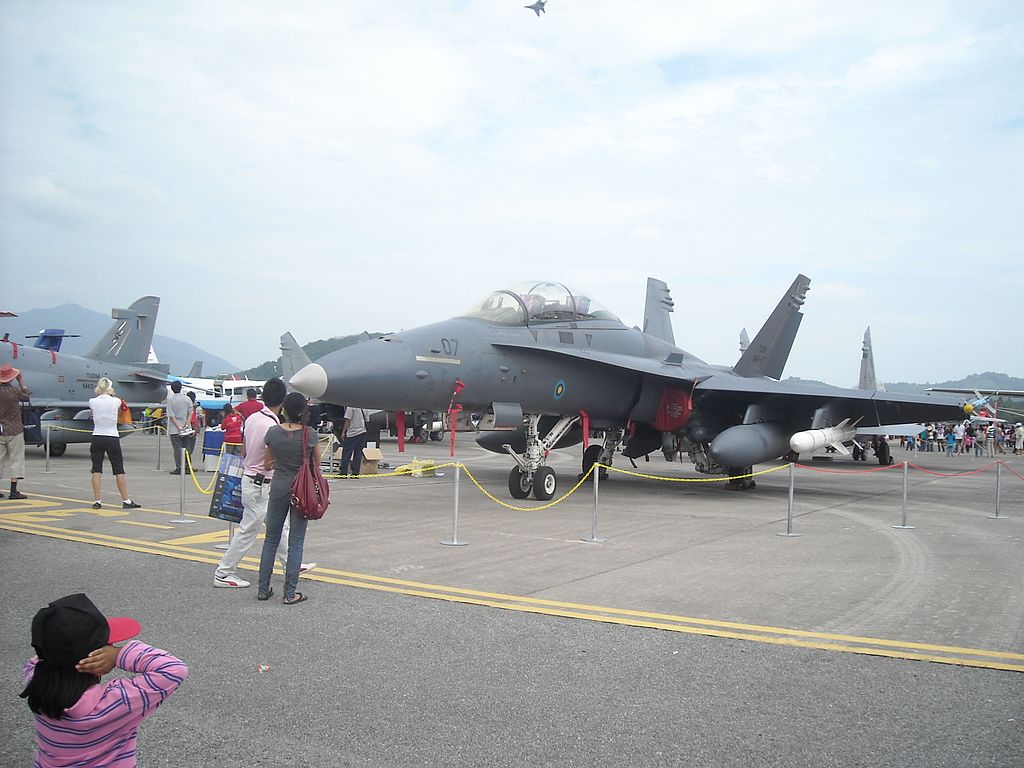

- the Russian Su-30 from Sukhoi
- the Swedish Jas-39 Gripen from Saab
- the American F/A-18E/F Super Hornet from Boeing
- the French Rafale from Dassault
- the European Eurofighter Typhoon from EADS, BAE and Alenia Aeronautica
The exact cost of the contract for the new fighter aircraft has yet to be determined, but is certain to run into the billions. The competition for the contract is expected to be intense with extensive lobbying for the contract by manufacturers.
Some of the competitors, such as Sweden and France, are in dire need of an export contract. Winning the contract would greatly help the Gripen E/F and Rafale program with the addition of a second buyer.
Despite having been selected as the winner of India's MMRCA competition, France has yet to score an export contract for the Rafale. Sweden has recently ordered the Gripen E/F, but Switzerland has yet to decide on a proposal for 22 Gripen E/F.
Malaysia now has a fighter aircraft fleet of 18 Su-30MKM, 8 F/A-18D and 18 MiG-29N, of which only 10 are operational. All of the MiG-29N aircraft are to be retired by 2014.
The MiG-29N and F/A-18 had been ordered at the same time in 1993 in a split order. They were delivered in 1995 and 1997 respectively. The MiG-29N reportedly proved less than satisfactorily in service.
The MiG Corporation own internal problems starting in the nineties meant that is was unable to provide adequate after sales service and the aircraft suffered from a chronic lack of spares.
In 2003, Malaysia ordered the 18 Su-30MKM in a $900 million contract with Russia. The Su-30MKM is similar to India's Su-30MKI with some changes in avionics. It has canards and thrust-vectoring engines.
http://www.reuters.com/article/2013/03/28/malaysia-fighters-idUSL3N0CK7WW20130328
Wednesday, March 13, 2013
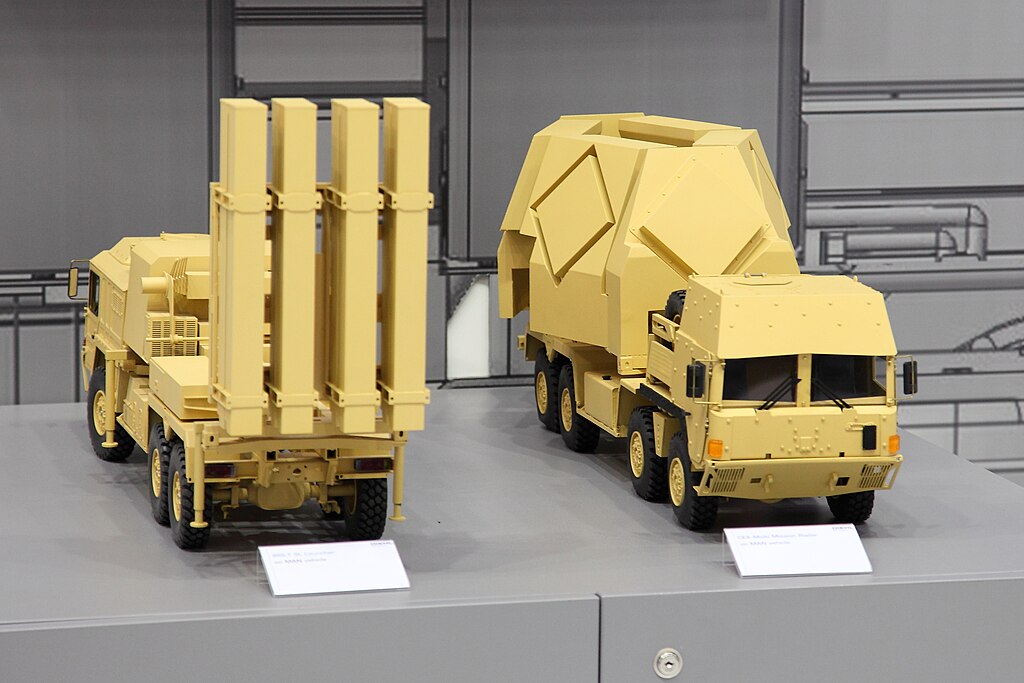
First IRIS-T SLS Air Defense System Exported to Sweden
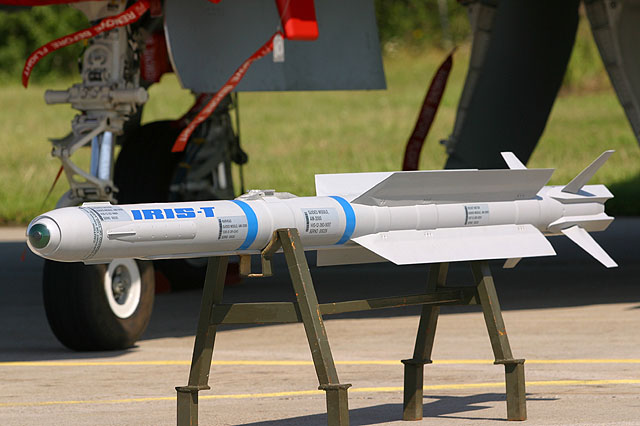
Sweden has become the first country to buy the surface-to-air (SAM) version of the Infra Red Imaging System Tail/Thrust Vector-Controlled (IRIS-T) within visual range air-to-air missile, the IRIS-T SLS.
The contract was signed by the Swedish Defence Material Administration with Diehl Defense for delivery starting in 2016. The IRIS-T missile in already in service in Sweden with the Gripen fighter aircraft. Ten other countries have also acquired the IRIS-T for their air forces.
The short range IRIS-T SLS complements the medium range IRIS-T SL / SLM, which has recently been successfully tested for the first time. Both surface launched missiles provide comprehensive air defense, including against aircraft, unmanned aerial vehicles and missiles.
However, while the IRIS-T SLS retains the basic missile body and infrared seeker of the original IRIS-T missile, the IRIS-T SL / SLM features a radar seeker and a heavily modified missile body.
Another variant based on the IRIS-T is the Interactive Defense and Attack System for Submarines (IDAS) now in development. Four IDAS can be fitted inside a magazine and fired directly from a single torpedo tube.
The IDAS missile gives submerged submarines the ability for the first time to engage aerial targets such as anti-submarine warfare (ASW) helicopters, which previously were immune from submarine counter attacks. It can also be used to attack small surface vessels and other coastal targets.
http://www.diehl.com/en/nc/diehl-defence/press/diehl-receives-swedish-air-defence-contract/6.html

The contract was signed by the Swedish Defence Material Administration with Diehl Defense for delivery starting in 2016. The IRIS-T missile in already in service in Sweden with the Gripen fighter aircraft. Ten other countries have also acquired the IRIS-T for their air forces.
The short range IRIS-T SLS complements the medium range IRIS-T SL / SLM, which has recently been successfully tested for the first time. Both surface launched missiles provide comprehensive air defense, including against aircraft, unmanned aerial vehicles and missiles.
However, while the IRIS-T SLS retains the basic missile body and infrared seeker of the original IRIS-T missile, the IRIS-T SL / SLM features a radar seeker and a heavily modified missile body.
Another variant based on the IRIS-T is the Interactive Defense and Attack System for Submarines (IDAS) now in development. Four IDAS can be fitted inside a magazine and fired directly from a single torpedo tube.
The IDAS missile gives submerged submarines the ability for the first time to engage aerial targets such as anti-submarine warfare (ASW) helicopters, which previously were immune from submarine counter attacks. It can also be used to attack small surface vessels and other coastal targets.
http://www.diehl.com/en/nc/diehl-defence/press/diehl-receives-swedish-air-defence-contract/6.html
Saturday, February 16, 2013
Saab to Start Work on 60 JAS 39 Gripen E / NG aircraft for Sweden
The Saab Group has signed an agreement with the Swedish Defence Materiel Administration (FMV) for development and modification of JAS 39 Gripen E aircraft between 2013 and 2026 for Sweden.
The agreement follows an earlier decision by the Swedish Parliament to acquire the Gripen E and will lead to the start of initial deliveries of the aircraft to Sweden in 2018.
The FMV has placed an initial order of 2.5 billion Swedish Krona or about $396 million for development work in 2013 and 2014 with further orders expected. The total value may amount to 47.2 billion Swedish Krona or about $7475 million.
The initial order is just the first part of the agreement with FMV. Other parts include:
As reported earlier, the FMV reserves the right to make cancellations if it decides to do so. In this instance, Saab has the right to be compensated.
The single-seat Gripen E and two-seat Gripen F are also known as the Gripen NG and feature the following improvements over the previous Gripen C/D:
The development of the Gripen E/F is conducted in collaboration with Switzerland, who is also partially paying for its costs. Swiss pilots have test flown a Gripen F demonstrator, but a decision on the acquisition of 22 new Gripen E/F for 3.12 billion Swiss Franc or $3.39 billion has yet to be decided on.
http://www.saabgroup.com/en/About-Saab/Newsroom/Press-releases--News/2013---2/Saab-signs-agreement-for-the-next-generation-fighter-aircraft-Gripen-E-and-receives-development-order/

The agreement follows an earlier decision by the Swedish Parliament to acquire the Gripen E and will lead to the start of initial deliveries of the aircraft to Sweden in 2018.
The FMV has placed an initial order of 2.5 billion Swedish Krona or about $396 million for development work in 2013 and 2014 with further orders expected. The total value may amount to 47.2 billion Swedish Krona or about $7475 million.
The initial order is just the first part of the agreement with FMV. Other parts include:
- Another 10.6 billion Swedish Krona or $1678 million order for development work on Swedish Gripen E aircraft in the first quarter of 2013
- Start modifying 60 Gripen C to the E standard no later than the fourth quarter of 2013 for delivery starting in 2018
- Mission specific equipment, support and maintenance for Gripen E aircraft no later than the fourth quarter of 2014
- Provisions for the possible acquisition of 22 new-build Gripen E by Switzerland and in the event Switzerland does not acquire the Gripen E
As reported earlier, the FMV reserves the right to make cancellations if it decides to do so. In this instance, Saab has the right to be compensated.
The single-seat Gripen E and two-seat Gripen F are also known as the Gripen NG and feature the following improvements over the previous Gripen C/D:
- Installation of the more powerful GE F414G engine
- Increased payload and internal fuel capacity
- Two extra under-fuselage hard-points
- New landing gear
- New AESA radar from Selex Galileo
- Passive infrared search and tracking sensor
- New cockpit and avionics
- New electronic warfare (EW) suite
The development of the Gripen E/F is conducted in collaboration with Switzerland, who is also partially paying for its costs. Swiss pilots have test flown a Gripen F demonstrator, but a decision on the acquisition of 22 new Gripen E/F for 3.12 billion Swiss Franc or $3.39 billion has yet to be decided on.
http://www.saabgroup.com/en/About-Saab/Newsroom/Press-releases--News/2013---2/Saab-signs-agreement-for-the-next-generation-fighter-aircraft-Gripen-E-and-receives-development-order/
Tuesday, January 22, 2013
Sweden to Buy 60 Saab JAS 39 E / NG Fighter Aircraft
Sweden has decided to buy up to 60 Saab JAS 39 E fighter aircraft according to a a statement from the Swedish Defense Ministry with the first aircraft due for delivery in 2018. The Swedish parliament had last year given approval for the purchase of between 40 and 60 aircraft.
The decision to acquire the new aircraft was made on the assumption of the aircraft being acquired by a second country in addition to Sweden. Should a second buyer not materialize, the Swedish government then reserves the right to cancel the order for the Gripen E should it want to.
The fighter may be purchased by Switzerland, which is also participating in the development of the Gripen E and paying for its development. A final decision on the proposed acquisition of 22 Gripen E/F for 3.12 billion Swiss Francs has yet to be made by Switzerland.
The Gripen E/F, also known as the Gripen NG, is a much improved version of the previous Gripen C/D fighter featuring:
http://www.reuters.com/article/2013/01/17/saab-idUSL6N0AM3BG20130117

The decision to acquire the new aircraft was made on the assumption of the aircraft being acquired by a second country in addition to Sweden. Should a second buyer not materialize, the Swedish government then reserves the right to cancel the order for the Gripen E should it want to.
The fighter may be purchased by Switzerland, which is also participating in the development of the Gripen E and paying for its development. A final decision on the proposed acquisition of 22 Gripen E/F for 3.12 billion Swiss Francs has yet to be made by Switzerland.
The Gripen E/F, also known as the Gripen NG, is a much improved version of the previous Gripen C/D fighter featuring:
- More powerful engine, the F414G from General Electric
- Greater payload and internal fuel capacity
- Two additional under-fuselage hard-points
- New strengthened landing gear
- New AESA radar from Selex Galileo
- Passive Infrared search and tracking sensor
- New cockpit and avionics
- New electronic warfare (EW) suite
http://www.reuters.com/article/2013/01/17/saab-idUSL6N0AM3BG20130117
Wednesday, December 19, 2012
Swiss Pilots Test Fly Saab JAS 39 Gripen F / NG Demonstrator in Sweden
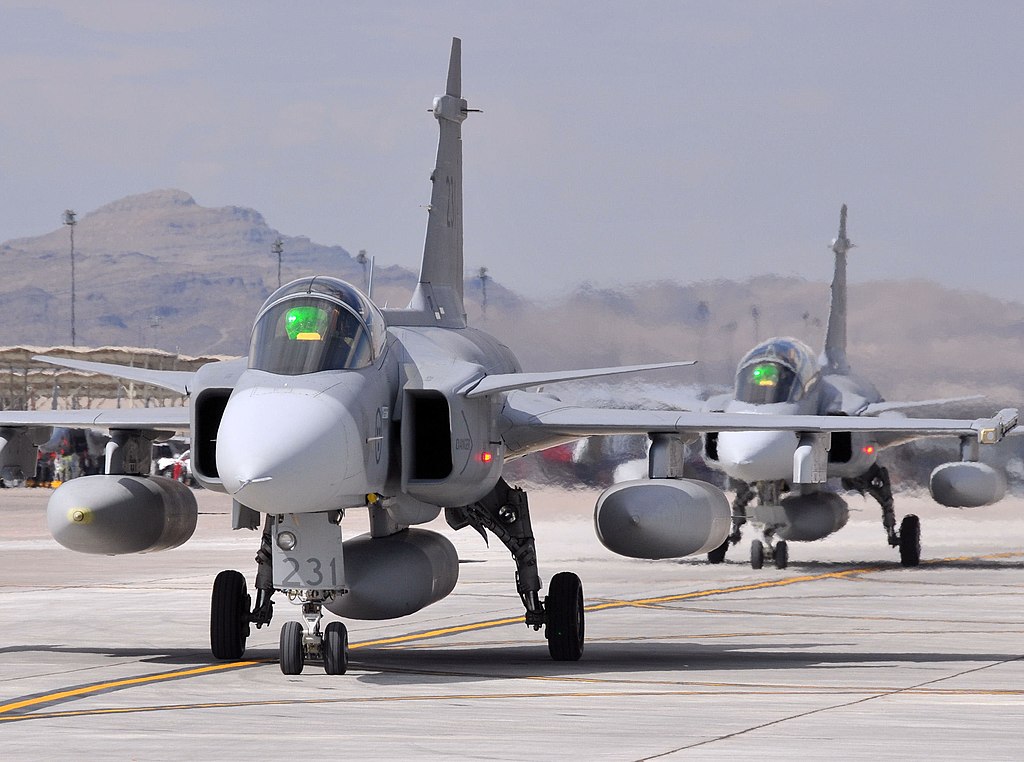
Swiss pilots have successfully test flown in Sweden a Saab JAS 39 Gripen F two-seat demonstrator aircraft, equipped with a new Active Electronically Scanned Array (AESA) radar.
The radar is a test version, manufactured by Selex Galileo from the United Kingdom, to help verify the following features:
The Gripen aircraft used is derived from a modified Gripen D airframe and an intermediate version between the Gripen C/D currently in service and the future Gripen E/F or Gripen NG.
The demonstrator is used to test subsystems of the Gripen E/F and made its first flight on May 27, 2008, and has accumulated over 250 flight hours. It is powered by a General Electric (GE) F414G engine from the United States.
The Gripen E/F will feature the following improvements over the Gripen C/D:
Payload: 5,300 kg
Length: 14.1 m, two-seater: 14.8 m
Wingspan: 8.4 m
Height: 4.5 m
Wing area: 30.0 m²
Empty weight: 6,800 kg
Loaded weight: 8,500 kg
Maximum takeoff weight: 14,000 kg
Engine: 1 × Volvo Aero RM12 afterburning turbofan derived from GE F404
Dry thrust: 54 kN (12,100 lbf)
Thrust with afterburner: 80.5 kN (18,100 lbf)
Maximum speed: Mach 2 (2,204 km/h) at altitude
Combat radius: 800 km
Ferry range: 3,200 km with drop tanks
Service ceiling: 15,240 m
Wing loading: 283 kg/m²
Thrust/weight: 0.97
http://www.saabgroup.com/en/About-Saab/Newsroom/Press-releases--News/2012---12/Swiss-Test-Fly-Gripen-in-Sweden/
The radar is a test version, manufactured by Selex Galileo from the United Kingdom, to help verify the following features:
- Assembly
- Radar cooling
- Electrical power supply
- Data exchange between the radar and the mission computer
The Gripen aircraft used is derived from a modified Gripen D airframe and an intermediate version between the Gripen C/D currently in service and the future Gripen E/F or Gripen NG.
The demonstrator is used to test subsystems of the Gripen E/F and made its first flight on May 27, 2008, and has accumulated over 250 flight hours. It is powered by a General Electric (GE) F414G engine from the United States.
The Gripen E/F will feature the following improvements over the Gripen C/D:
- More powerful engine, the F414G
- Greater payload and internal fuel capacity
- Two additional under-fuselage hard-points
- New landing gear
- New AESA radar
- Passive Infrared search and tracking sensor
- New cockpit and avionics
- New electronic warfare (EW) suite
Specifications of the Gripen C/D:
Crew: 1 (2 for JAS 39D)Payload: 5,300 kg
Length: 14.1 m, two-seater: 14.8 m
Wingspan: 8.4 m
Height: 4.5 m
Wing area: 30.0 m²
Empty weight: 6,800 kg
Loaded weight: 8,500 kg
Maximum takeoff weight: 14,000 kg
Engine: 1 × Volvo Aero RM12 afterburning turbofan derived from GE F404
Dry thrust: 54 kN (12,100 lbf)
Thrust with afterburner: 80.5 kN (18,100 lbf)
Maximum speed: Mach 2 (2,204 km/h) at altitude
Combat radius: 800 km
Ferry range: 3,200 km with drop tanks
Service ceiling: 15,240 m
Wing loading: 283 kg/m²
Thrust/weight: 0.97
http://www.saabgroup.com/en/About-Saab/Newsroom/Press-releases--News/2012---12/Swiss-Test-Fly-Gripen-in-Sweden/
Wednesday, July 4, 2012
Visby class test launches RB-15 missile
A RBS-15 anti-ship missile has been succesfully test fired by the first Visby class corvette of the Swedish navy, the HMS Visby, at Karlskrona in Sweden.
The 72m long Visby class has been designed for mine countermeasures and anti-submarine warfare (ASW) and carries a suite of ASW equipment, 127mm rocket-powered grenade launchers, depth charges and torpedoes.
The lead ship of the class, Visby (K31) was officially delivered in June 2002, while the next two, the HMS Helsingborg (K32) and Harnosand (K33), were delivered in June 2006.
The fourth, the HMS Nykoping (K34) was delivered to the Swedish FMV in September 2006 and the fifth HMS Karlstad (K35) ship was launched in August 2006.
The Swedish Navy will receive all five modernised ships by 2014, while the last vessel will be used to support attack and anti-surface warfare operations.
http://www.naval-technology.com/news/newsswedish-navy-hms-visby-test-fires-first-guided-missile

The 72m long Visby class has been designed for mine countermeasures and anti-submarine warfare (ASW) and carries a suite of ASW equipment, 127mm rocket-powered grenade launchers, depth charges and torpedoes.
The lead ship of the class, Visby (K31) was officially delivered in June 2002, while the next two, the HMS Helsingborg (K32) and Harnosand (K33), were delivered in June 2006.
The fourth, the HMS Nykoping (K34) was delivered to the Swedish FMV in September 2006 and the fifth HMS Karlstad (K35) ship was launched in August 2006.
The Swedish Navy will receive all five modernised ships by 2014, while the last vessel will be used to support attack and anti-surface warfare operations.
http://www.naval-technology.com/news/newsswedish-navy-hms-visby-test-fires-first-guided-missile
Subscribe to:
Posts (Atom)